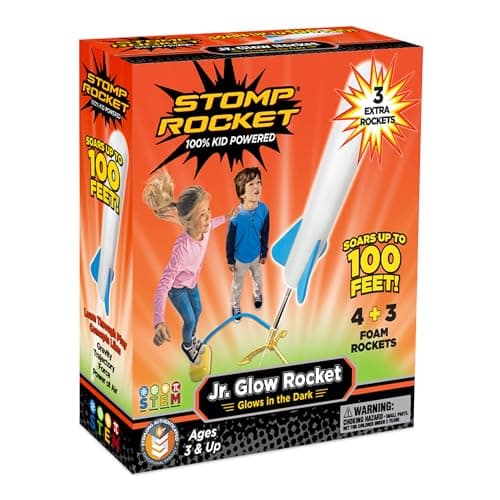
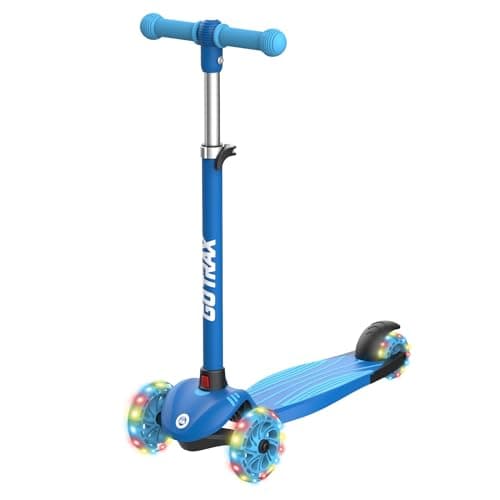
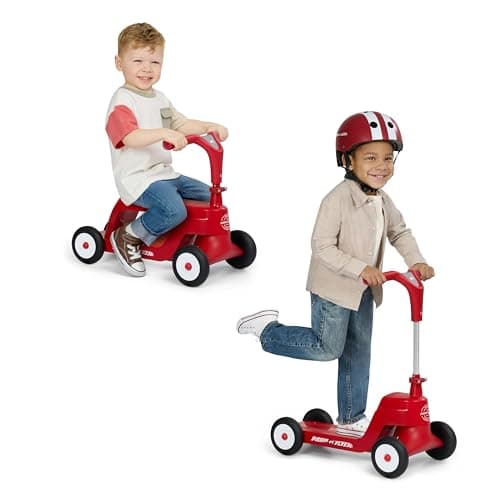
The verdict: the top pick is the three-wheel kick scooter, graded 2 to 8 with adjustable bars — the widest published age range on the page and the only pick that a two-year-old and a six-year-old can both use. The budget pick is the stomp rocket, which has no batteries, no cords and nothing that can run out, and which earns its place on a $50 page rather than just undercutting it.
Every age grade, weight limit and battery requirement on this page is the manufacturer’s own published wording, and every price comes live from the price layer with the date it was checked printed under the table. Prices move, and $50 is a line drawn on a moving target: everything ranked below was under it at the last check, and if one has crossed since, the table will show you that rather than a number we typed. Our method is published in full.
What the second $25 actually buys
Wheels. That is the honest summary, and it is the reason this page exists as well as outdoor toys under $25 rather than instead of it.
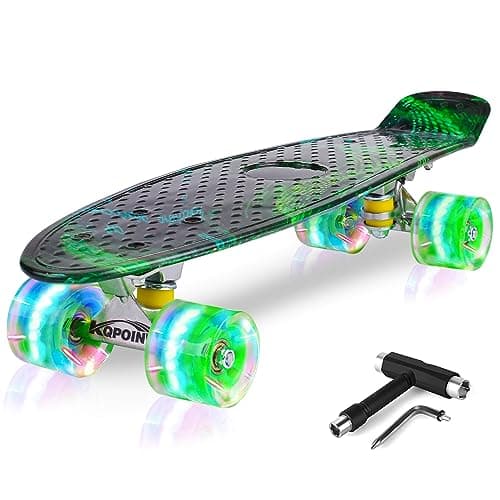
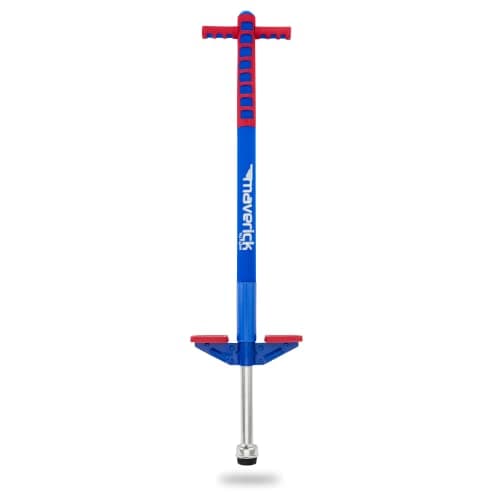
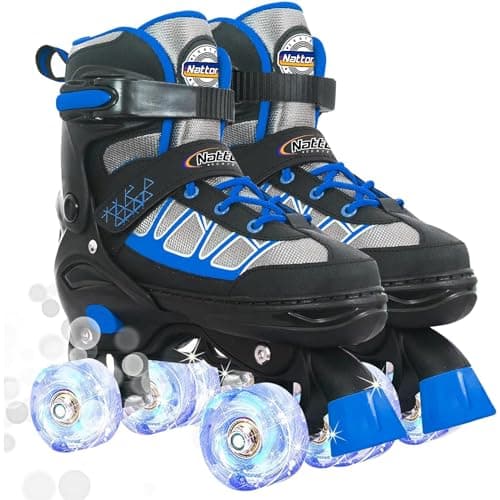
Under $25, the outdoor aisle is rockets, kites, blasters, binoculars and a hose attachment — toys that make a child run around, most of which have nothing in them that can run out. They are excellent and three of them outscore things on this page. What they are not is equipment. Between $25 and $50 the category changes shape: a scooter, a skateboard, roller skates, a pogo stick and a ride-on all arrive, and those are purchases a child uses to get better at something rather than to play with. That is why they survive into a third summer while a water toy is finished in a season.
The practical consequence is that a $50 budget is not a bigger version of a $25 budget, it is a different question: not what will they play with this weekend, but what will they learn to do. If the answer is this weekend, buy from the cheaper page and keep the change.
The five things we checked
- The published age grade, printed as the maker wrote it. Every pick here carries one, and on wheeled toys the grade is a stability and judgment call rather than a small-parts one — which is why we will not recommend any of them below their printed number.
- Published weight limits, where they exist. On a pogo stick the weight window decides whether the toy works at all, and it matters more than the age grade. Two picks here publish one. Most makers do not, and that absence is worth knowing about.
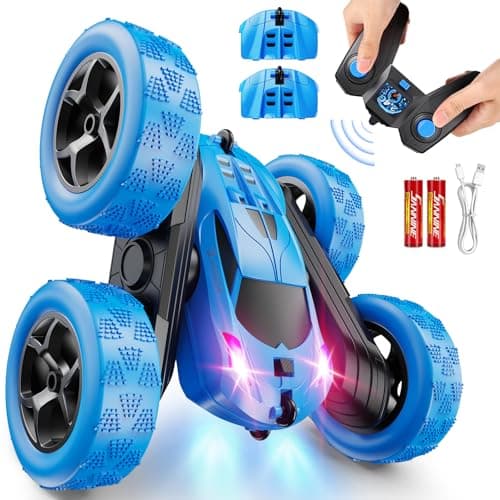
- What else you have to buy. Three answers on this page, and we have printed all of them: a helmet and pads for the skateboard and the skates, 2 AA batteries for the RC remote, and nothing at all for the scooter, the pogo stick or the rocket.
- Whether it needs assembling. Two of these state no assembly required on the listing. One states that adult assembly is needed and is fiddlier than it looks. On a birthday morning that is the difference between a gift and a project. Every product on the site is rated this way on the assembly time page.
- How much space it needs. A pogo stick needs a few square feet; a stomp rocket needs a field and a forgiving neighbor. Space is the constraint that quietly kills more outdoor gifts than price does.
Matching the toy to the age
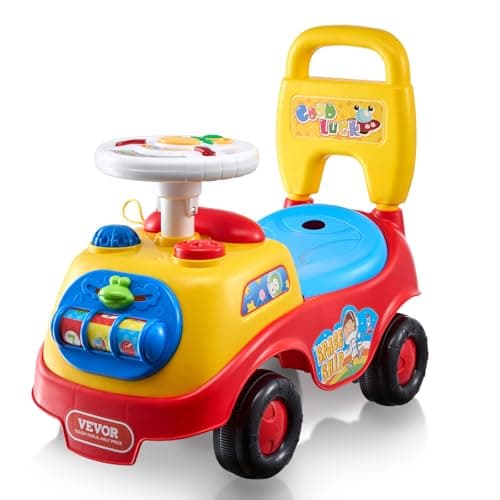
- 19 months to three: the push car. It is the only thing here graded below two, and the parent handle means the walk home is not a negotiation.
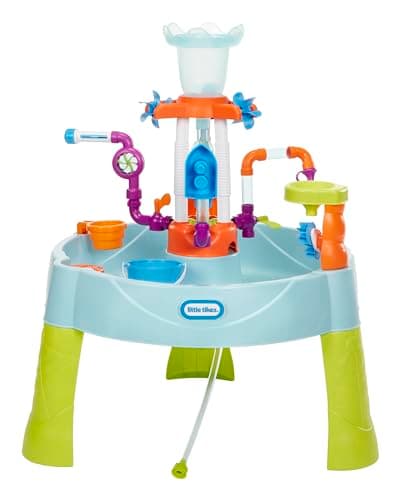
- Two to five: the three-wheel scooter or the water table. The scooter is the longer-lived purchase; the table is the one that buys forty unmanaged minutes.
- Three and up: the stomp rocket, which is the cheapest thing here and the only one where the exercise is unavoidable.
- Five and up: the pogo stick — but check the published 40 to 80 lb window first, because a child outside it gets nothing.
- Six to twelve: the skateboard, the skates or the RC car. All three are equipment rather than toys, and two of them need protective gear bought at the same time.
The same question organized by age rather than by price is on outdoor toys by age.
What we would not buy under $50
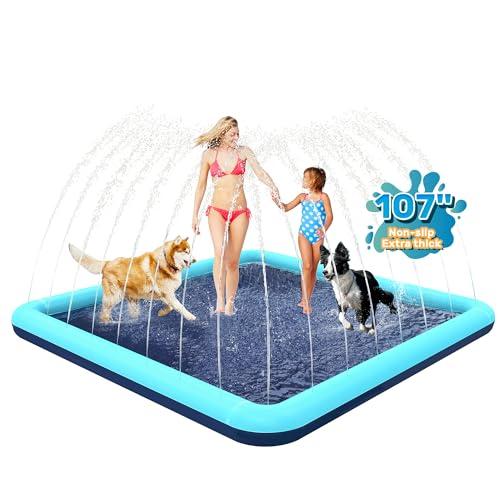
Two things. The first is an inflatable anything — pool, bouncer, obstacle course. At this price the seams are the product and they fail, usually in the second week and always on the hottest day; and an inflatable needs pumping, drying and storing, which is three jobs attached to one toy. The splash pad listed below the picks does the same job for less, folds to the size of a towel, and has nothing to puncture.
The second is a two-wheel scooter for a child under five. It is the most common outdoor-gift mistake we see: a two-wheeler needs handlebar steering and a standing balance a four-year-old does not have yet, so the scooter goes in the garage and the child concludes scooters are not for them. The three-wheel version above is not a compromise, it is the correct product for that age — the full argument, and where the real price steps are, is on the kids’ scooters comparison. If the choice is between a board and a scooter for an older child, scooter vs skateboard settles it.
If the budget can stretch
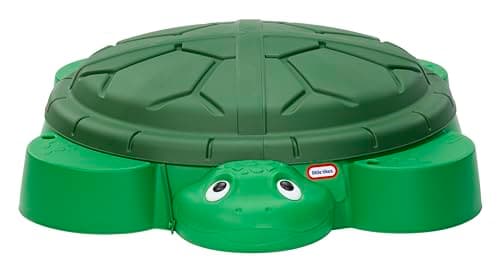
Two things sit just over the line and are listed below the main picks: a foot-to-floor ride-on graded from one, for a child too young for the scooter, and a lidded molded sandbox graded from one, for a yard where sand suits better than water. The lid is the specification that matters there — an uncovered sandbox becomes a cat tray. Where the water tables stop being worth the money, and which of them hold up, is on the water tables comparison; the ride-on ladder from push car to pedal bike is on ride-on toys compared. For a child whose whole thing is being outside, the progression at every price is on toys for the outdoor kid.