The short answer
The useful question is not whether a toy is educational. It is who sets the goal. If the child decides what to make and the toy is the material, they learn a great deal and they keep going. If the box decides what to make and the child follows it, they learn one specific thing and stop when it is finished. Both are legitimate purchases. Only the first predicts a toy that is still in use next year.
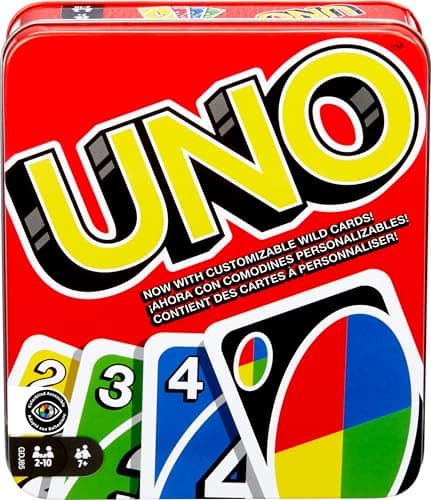
That axis cuts straight across the labels. A set of blocks is sold as fun and is one of the most open-ended things you can buy. A letter-matching tablet is sold as educational and has exactly one outcome. On this site we have ranked a card game above a science kit for precisely this reason.
Why the educational label means nothing in particular
There is no standard behind it. The regulations that do apply to toys — the federal small-parts rule and the ASTM toy safety standard, both in our sources below — govern safety and nothing else. No regulator, trade body or standards organization certifies educational claims on a toy box. “Educational”, “STEM”, “developmental” and “Montessori-inspired” are all free to print.
That does not make them lies. Plenty of toys marketed as educational genuinely are, and one of our six picks above is a strong example. It means the word carries no information, so a buyer comparing two boxes has to look at the toy instead of the claim. If you want the longer version of that argument, what Montessori actually means on a toy box takes the same scalpel to a different word.
The three questions that actually predict it
1. Who sets the goal?
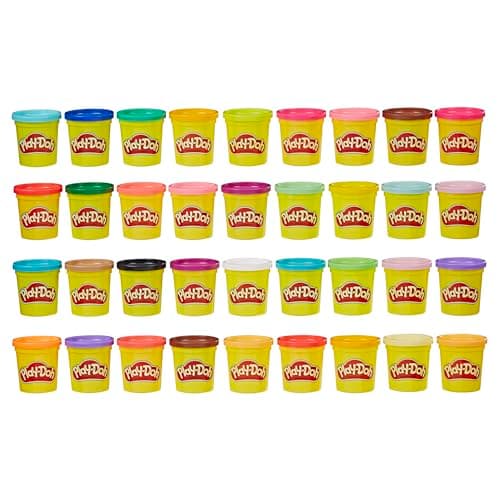
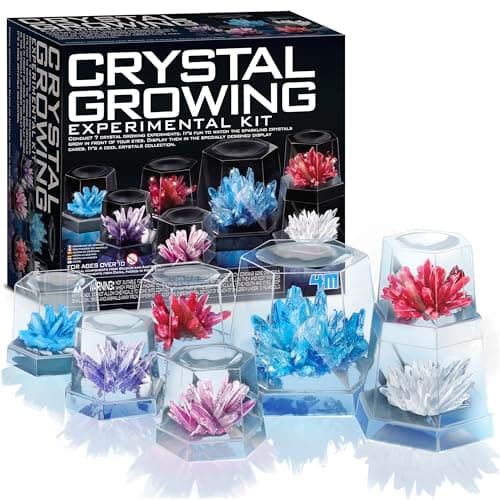
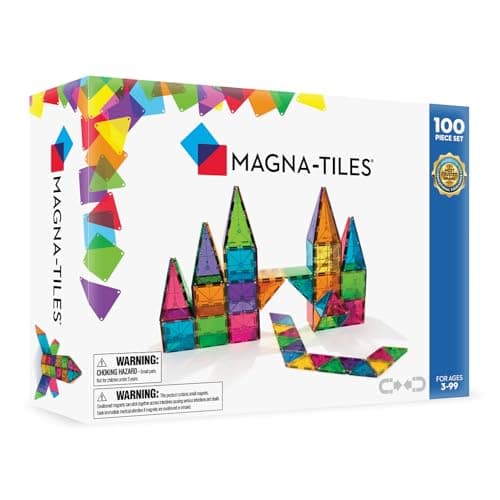
Ask it of the specific toy in front of you. Blocks, tiles, dough, sand, a train set: the child sets the goal. A kit with an instruction booklet, a puzzle with one solution, a crystal you grow: the box sets the goal. Neither answer is wrong, but they buy completely different things — the first buys months, the second buys a weekend and a result.
2. Does it work without an adult?
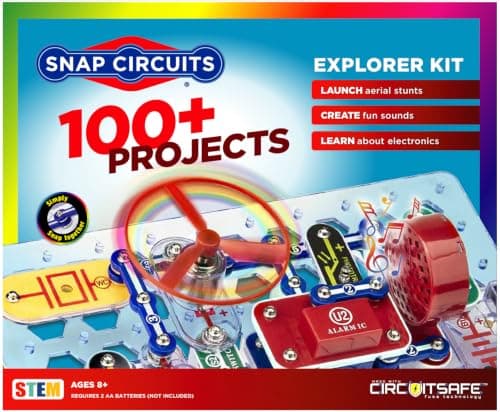
A great many educational toys are activities an adult runs. That is fine if the adult is actually going to run them, and the reason half the science kits in the country are unopened in a cupboard is that nobody checked. The honest version of this question is: is anybody in this household going to boil the water?
3. What happens the second time?
The single most useful question in this entire comparison. A toy with replay value gets played with; a toy with one outcome gets played with once and is then a decoration. Grading our own picks on this: the dough, the tiles and the card game all survive it. The crystal kit does not, and we have said so on its card.
The comparison, honestly
| Sold as educational | Sold as just for fun |
|---|
| Who sets the goal | Usually the box — a kit, a booklet, a correct answer | Usually the child, if the toy is a material rather than a device |
| Play life | Short on kits, long on systems — varies enormously | Long on open-ended toys, very short on licensed novelties |
| Price for what you get | Higher — the claim carries a premium | Lower, and the cheapest things here are on this side |
| Needs an adult | Often, at the critical step | Rarely |
| Gift-opening moment | Weak — a kit looks like homework in wrapping paper | Strong, which is most of why it is bought |
| What it actually teaches | One specific thing, well, if it gets done | Nothing specific, a lot incidentally, over months |
| How it fails | Unopened, or finished in an afternoon | Outgrown in a fortnight if it had one trick |
For a birthday specifically
This is the version of the question people actually ask, and it has a different answer, because a birthday gift has a job the toy itself does not: it has to land in the room, in front of other people, in the first ninety seconds.
So for a birthday, buy from the fun shelf and let the learning be incidental. A kit with a curriculum on the box is a perfectly good purchase in February and a mediocre one on the day, because the child opens it, cannot do it alone, and puts it down. If the educational thing is what you want to give, give it as the second present or give it when the house is quiet — and if you are buying from the kit shelf anyway, buy the one with more than one outcome in the box.
The other birthday-specific rule: buy for the child, not for the relationship. An educational gift is very often a message to the parents about what you think the child should be doing, and children read it accurately. Our how much to spend page covers the budget half of the same decision.
What to give at each age
The honest answer changes with age, and it changes in one direction — the older the child, the better the educational shelf gets, because the kits stop needing an adult.
- Under three. Fun, every time. The learning at this age is grip, balance, language and cause-and-effect, and all four come from dough, blocks, stacking cups and being outdoors. Nothing with a curriculum works yet. See toys for an 18-month-old for the stage where this is most obvious.
- Three to five. Still fun, but open-ended fun: tiles, bricks, sand, paint. This is the age where the educational shelf is at its least useful and the open-ended shelf is at its most useful.
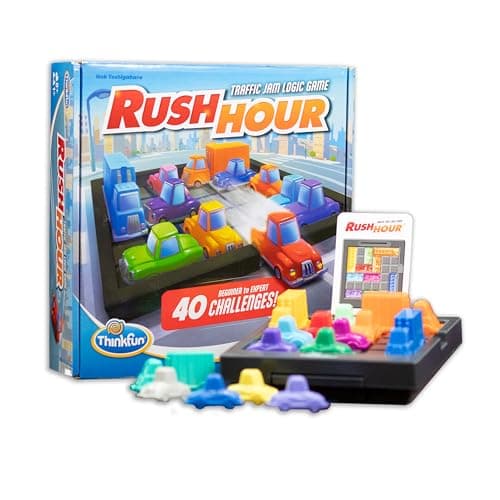
- Six to eight. The crossover. A child who can read can follow a booklet, which is when a real kit starts working — and when a logic game becomes a better purchase than most things labeled educational.
- Nine and up. The educational shelf wins on its own terms, provided the kit has depth. One with a hundred projects is months of use; one with a single result is an afternoon. See kids' science kits for the depth test applied properly.
The one case where we would buy the educational version
When the child has already chosen the subject. A nine-year-old who has decided they like electronics gets more from an electronics kit than from anything on the fun shelf, because the motivation arrived before the box did. That is the whole trick: the educational label works when it is answering an interest the child already has, and fails when it is trying to create one.
And the reverse case, which is just as common: the fun toy that gets bought as a compromise and teaches nothing because it only ever did one thing. A licensed novelty with a button on it is not the open-ended option just because it is not educational. The axis is not fun versus serious. It is open-ended versus one-outcome, and both shelves are full of both.
If what you want next is a shortlist rather than an argument, the toys that survive this test across every age are collected on toys that survive, and the ones that fail it on what to skip.