By occasion · Gift Guides
Birthday gifts by age
A birthday is a different buying problem from Christmas: one present rather than a pile, opened in front of other children, often bought by someone who cannot see the toy box.
We earn a commission if you buy through our links. It does not change the price you pay and it does not decide our picks — our method is published in full, including the part where we say we have not played with these toys. How this works.
The birthday problem is duplication, not batteries
Christmas fails on logistics; birthdays fail on information. The person buying frequently cannot see what the child already has, which is how a five-year-old ends up with three art sets and two identical card games.
There is one fix and it is unglamorous: ask the parents. It is not a failure of imagination and they will be relieved rather than annoyed — being asked converts a guess into a certainty, and most parents have a specific answer ready.
Concentration beats spread
A pile of five looks more generous and produces less play than one well-chosen open-ended thing plus a cheap consumable. If unwrapping is the ritual — and at three or four it absolutely is — split one present across three parcels rather than buying three presents. It costs nothing and it solves the occasion problem entirely.
The full version of this argument, including how to do it without disappointing a child, is on one good toy instead of five.
The social register, from about eight
A birthday present is opened in front of an audience, and from around eight a gift that reads as babyish is received as being misjudged rather than as a bad toy. The useful test is whether the object could plausibly belong to an adult: kits, logic games, card games and gear all pass; a playset with a cartoon on the box does not.
The party-present tier
For a school friend, $15–$25 is the normal band and nothing about it needs apologizing for. Three things work at almost every age in that range: a card or board game, art materials, or an expansion to a construction system most households own. All three are hard to duplicate meaningfully. Our under-$25 guide is the full list.
Age grades still apply, and matter more at a party
A birthday party is a room of mixed-age children with new objects on the floor. Every pick on our age guides carries its manufacturer’s published grade, and buying above the birthday child’s age is a bad idea for a practical reason under three and a social one above it — an adult building it while the child watches is not the present anyone intended.
Pick an age
Every age in this guide
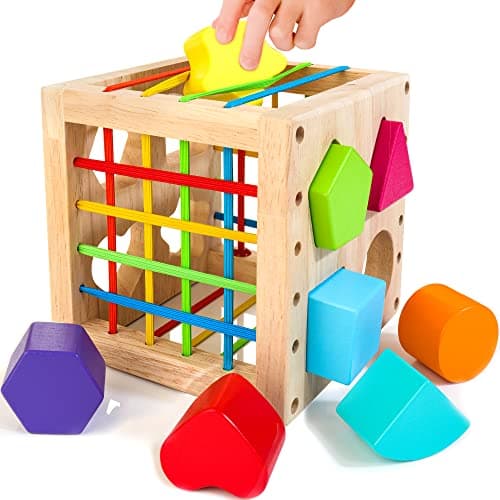
Best first birthday gift
First birthday gifts
Six first birthday presents, all graded 12 months or below, chosen for what still gets used six months later.
Top pick: Wooden Shape Sorter Cube · age grade 1+
$25.99See it on Amazon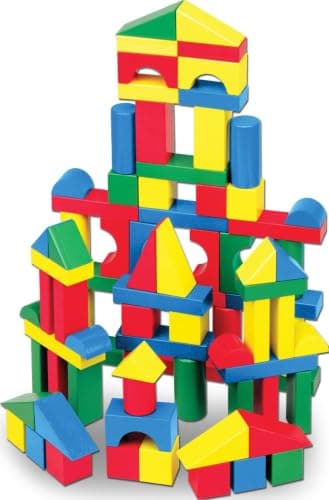
Best birthday gift for a 2-year-old
Birthday gifts for a 2-year-old
Six birthday presents for a two-year-old, all graded 2+ or below, ranked by what is still being used months later.
Top pick: Melissa & Doug Wooden Building Blocks, 100 Pieces · age grade 2+
$13.99See it on Amazon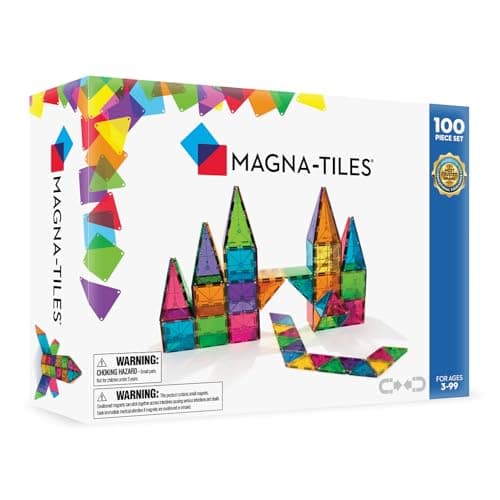
Best birthday gift for a 3-year-old
Birthday gifts for a 3-year-old
Six birthday presents for a three-year-old, the year the small-parts line lifts and the good open-ended toys unlock.
Top pick: Magna-Tiles Classic 100-Piece Set · age grade 3+
$108.35See it on Amazon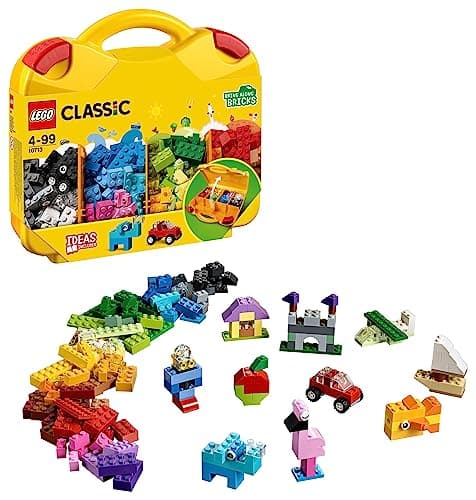
Best birthday gift for a 4-year-old
Birthday gifts for a 4-year-old
Six birthday presents for a four-year-old, weighted toward open-ended sets that outlast the party by years.
Top pick: LEGO Classic Creative Suitcase 10713 · age grade 4+
$11.89See it on Amazon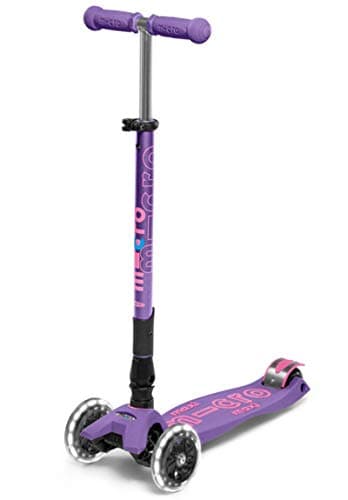
Best birthday gift for a 5-year-old
Birthday gifts for a 5-year-old
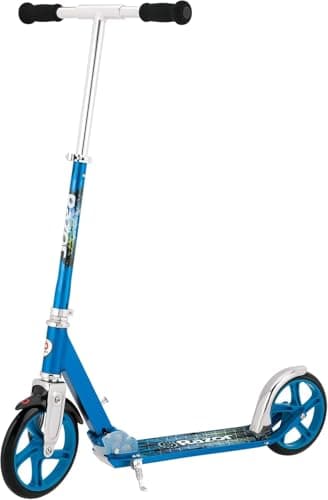
Six birthday presents for a five-year-old — the first real games year, the first wheels year, and the year art gets used rather than explored.
Top pick: Micro Kickboard Maxi Foldable LED Scooter · age grade 5–12
$179.99See it on Amazon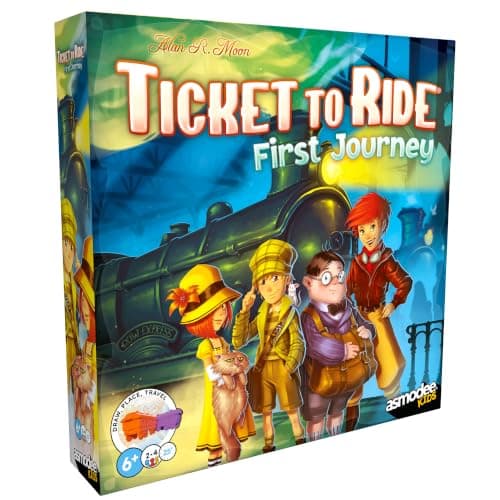
Best birthday gift for a 6-year-old
Birthday gifts for a 6-year-old
Six birthday presents for a six-year-old, the year reading unlocks proper board games and solo construction builds.
Top pick: Ticket to Ride: First Journey · age grade 6+
$29.99See it on Amazon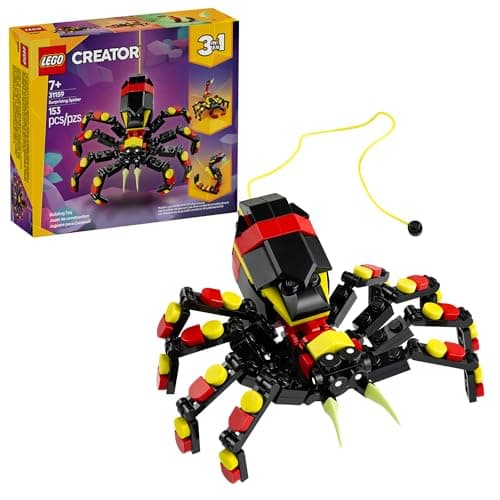
Best birthday gift for a 7-year-old
Birthday gifts for a 7-year-old
Six birthday presents for a seven-year-old that survive both tests: the ten seconds in front of an audience, and the following March.
Top pick: LEGO Creator 3-in-1 Wild Animals · age grade 7+
$7.19See it on Amazon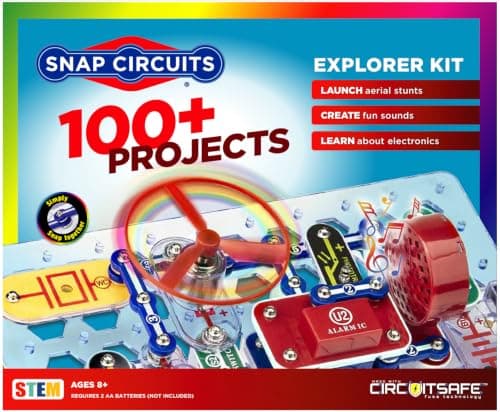
Best birthday gift for an 8-year-old
Birthday gifts for an 8-year-old
Six birthday presents for an eight-year-old — kits, logic games and gear that avoid the babyish problem entirely.
Top pick: Snap Circuits Jr. SC-100 Electronics Kit · age grade 8+
$39.99See it on Amazon
Questions
Questions people actually ask
How much should you spend on a child's birthday present?
Is it rude to ask parents what to buy?
What is a safe birthday present for a child you do not know?
Should you buy a toy for the age above so it lasts longer?
Keep reading
Related
Receipts
Sources
- 16 CFR Part 1501 — the federal small-parts regulation behind the “not for children under 3” warning (eCFR)
- ASTM F963 — Standard Consumer Safety Specification for Toy Safety
- US Consumer Product Safety Commission — Toy Safety business guidance
- US Consumer Product Safety Commission — recall database
- American Academy of Pediatrics — “Selecting Appropriate Toys for Young Children in the Digital Era” (clinical report)
We do not run a playroom test lab and we do not pretend to. Age grades, battery requirements and assembly notes are quoted from each manufacturer’s own product listing, read on September 7, 2026; prices come live from Amazon’s API and are stamped with the date they were checked. Where a maker publishes nothing, the page says “manufacturer does not publish this” rather than guessing. Read the full method.