First, the thing we are not going to do
No toy on this page treats, manages or improves ADHD. ADHD is a clinical diagnosis made by a clinician, and the useful interventions for it are medical and educational, not retail. There is no sensory product, fidget, logic game or weighted anything in our registry that we will attach a therapeutic claim to, because no manufacturer in our registry publishes evidence that would support one — and the toy aisle is full of pages that make those claims anyway.
What a gift-buyer can reasonably ask is a narrower question, and it is answerable: which toys have structural properties that suit a child who is in constant motion, loses interest quickly, and does not tolerate a slow build-up? That is a question about the toy rather than about the child, and it is the question this page answers.
The four properties that actually matter
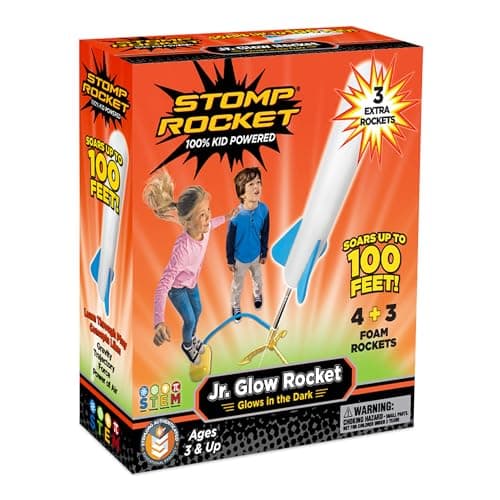
- A short feedback loop. How many seconds between the child doing something and the toy responding? Four seconds is a stomp rocket. Forty minutes is a model kit. The shorter the loop, the less the toy depends on sustained attention to get started — and getting started is usually the whole battle.
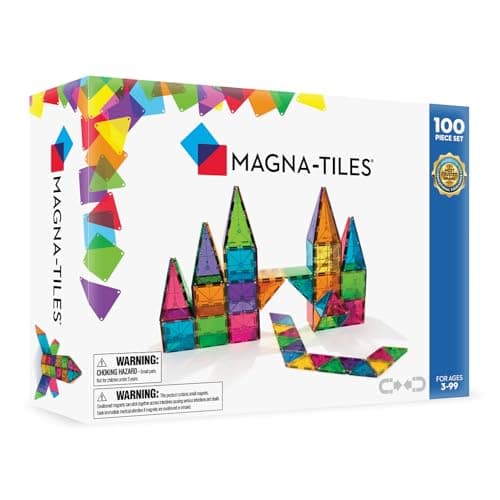
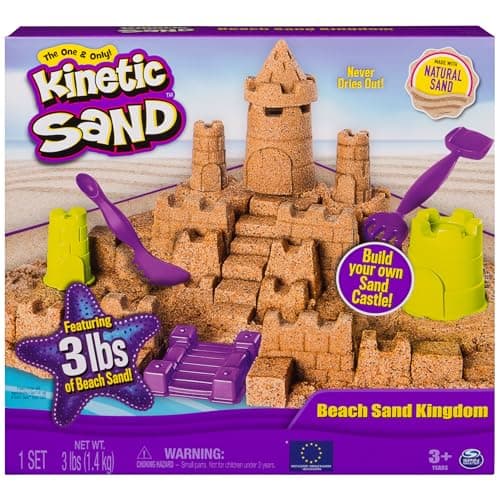
- No failure state. A toy with a correct answer has a wrong answer, and a wrong answer is a reason to stop. Materials — tiles, blocks, sand, modelling compound — have no correct answer at all, which is why they outperform kits here by a wide margin.
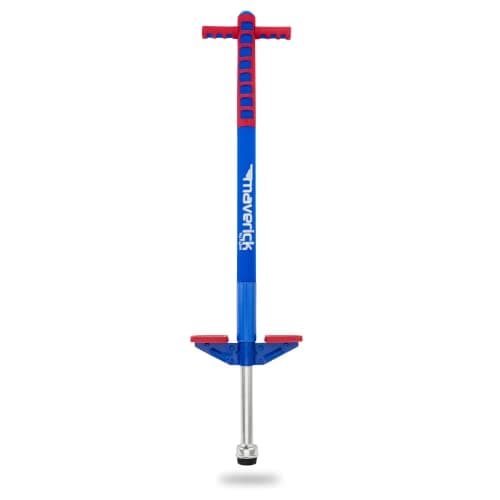
- Physical output. Some children need the activity to involve their whole body, not their hands. A toy that works in a small space while still being genuinely physical is rare and worth seeking out specifically.
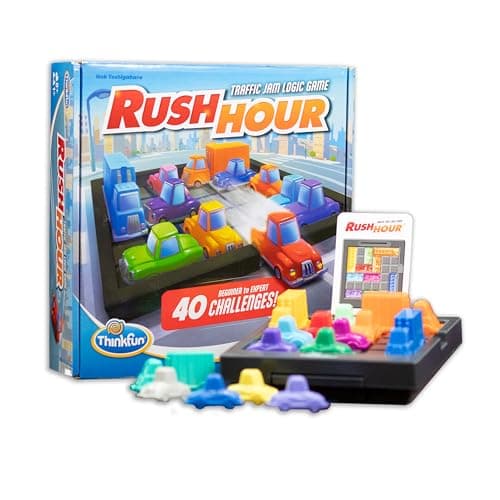
- It marks its own work. For anything with a right answer, the question is whether the toy confirms it or an adult has to. Self-marking toys keep going when the adult gets busy, which is most of the time.
Everything above is checkable from a product listing before you spend anything, which is more than can be said for most of what is sold into this search.
Three gift traps in this category
The fidget bundle
A bag of thirty assorted fidget items is the default gift in this space, and it is mostly a bag of plastic by February. The individual items that do survive tend to be single, specific objects a child chose themselves. Buying a bundle on a child’s behalf is a lottery, and the loud ones in it will be confiscated at school inside a week. We carry one pop-tube set and we rate it loud for exactly that reason — it is a fine toy and a poor classroom object.
Anything with a long on-ramp
A 1,000-piece model, a long instruction booklet, a kit whose first session is sorting parts. These are not harder versions of good toys; they are a different product that filters for a kind of patience the gift was not aimed at. If the box’s first step is sorting, consider something else.
Screens dressed as activity
An app-driven robot or a tablet game marketed for focus training is a screen with a plastic accessory. We make no claim either way about screen time and we do not stock those products — tech toys with no screen is the list for a household that has decided it has enough displays, and it is written for that decision rather than arguing for it.
On noise, mess and school
Three practical notes that come up constantly in this search and are rarely addressed.
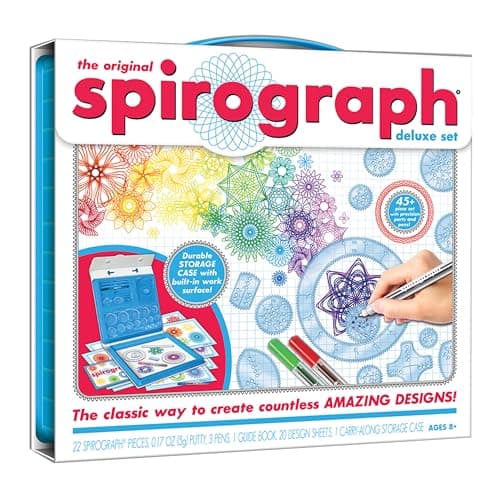
Quiet matters more than usual here, because a toy that will be used in a classroom or at a kitchen table while someone else works has to be silent to survive. Of the picks above, the sand, the tiles and the Spirograph are the ones that pass that test. Our quiet toys page is the whole-registry version, and how we rate noise explains the scale — including the fact that almost no manufacturer publishes a decibel figure, so these ratings are our judgment from what the listing describes and are labelled as such.
Mess is a real constraint, not a tidiness preference. A toy that creates a twenty-minute clean-up is a toy an adult starts discouraging, and a discouraged toy stops being played with. Kinetic sand needs a tray; the tiles need nothing.
If the gift is meant for school, buy the quietest possible version of it. Anything that clicks, pops or lights up will be removed by a teacher, and that outcome is worse for the child than not having it.
A different child, a different page
ADHD and autism are not the same thing and the gift questions are genuinely different, so we keep them on separate pages rather than merging them into one “neurodivergent” list. Toys for autistic kids is written for a different set of considerations with the same no-claims policy. For the age-filtered lists, use toys for a 6-year-old, toys for a 9-year-old or toys for an 11- or 12-year-old, each filtered against the published grade by the build itself. And if the child is mostly outdoors, outdoor toys by age has the physical-output options laddered by age bracket.