The honest answer for a four-year-old
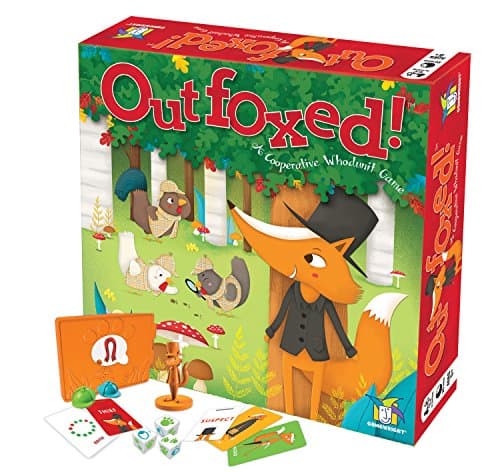
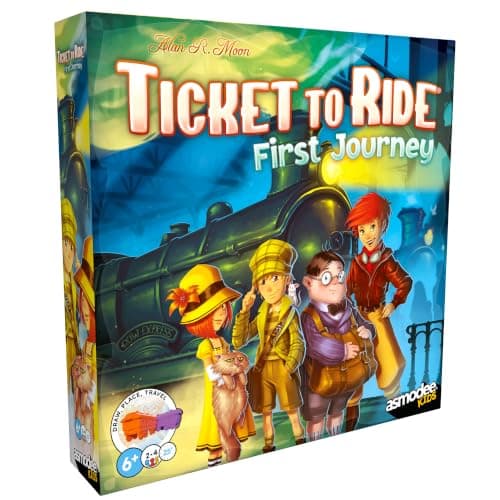
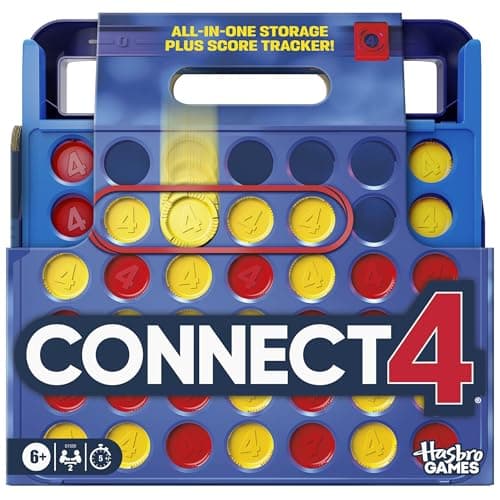
Search for board games for a four-year-old and you will be shown games graded 6+ — Ticket to Ride: First Journey, Outfoxed, Connect 4. They are better games. A four-year-old cannot play them, and not because they are not clever: they cannot read a card, they cannot hold a six-step rule in mind, and they cannot yet lose a game without it being the end of the evening.
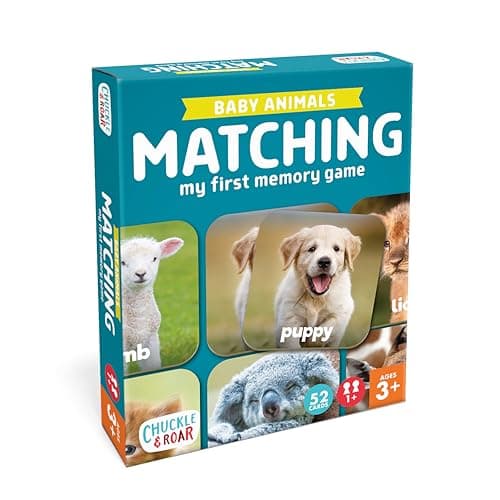
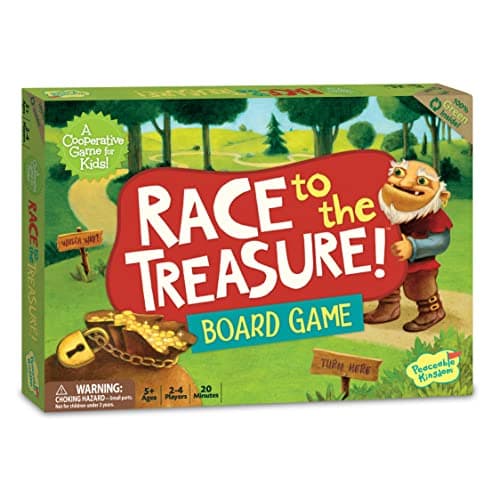
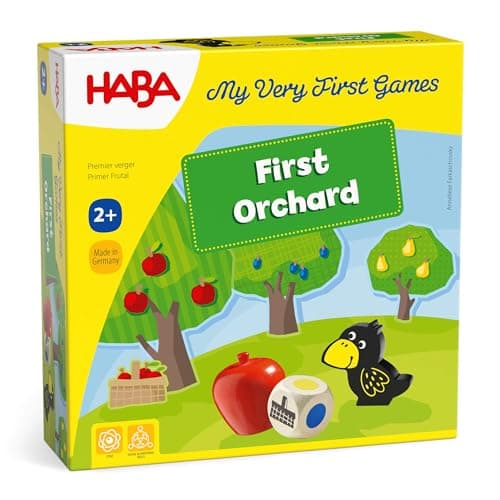
What works at four is the 3+ end of this page — memory, and a cooperative game where the board is the opponent. What works at two is one game, and it is the HABA set above. If you want the full picture for a specific age, the age pages carry it: toys for a 4-year-old, for a 5-year-old and for a 6-year-old each print the manufacturer grade on every pick, so the mismatch is visible rather than implied.
Reading is the line, not intelligence
The reason so many family games are graded 6+ is literacy. Six is where a child can read a card, which unlocks roughly half the games in the shop at once. Before that, a game either has no text at all — blocks, discs, matching pairs, colored fruit — or it needs an adult to read every turn, which is a different and much shorter activity.
This is the single most useful thing to know when buying for a child whose reading you cannot assess, which is most gift buyers most of the time. A no-text game at the 3+ or 6+ grade will be played; a text-dependent game bought a year early is played once with help and then shelved. The wider version of this argument is on what age grades actually mean.
Cooperative games solve a problem competitive ones create
Three of the eight above are cooperative: everybody plays against the board. It is not a softness — at four and five, losing is genuinely hard, and a game that produces a crying child at the end of every round stops being played regardless of how good it is. A cooperative game gets to the table fifty times instead of twice, and fifty plays of a simple game beats two plays of a brilliant one.
By about seven most children want to beat somebody, and the competitive games become the better buy. Both kinds are on this page on purpose.
How long a game should take, by age
A reliable rule: the game should be shorter than the child’s patience, and the child’s patience is shorter than you think. Ten minutes at four, fifteen to twenty at six, and by eight a twenty-minute game with real decisions is better than a five-minute one repeated. A game that overruns its audience is remembered as boring even when it is good, which is how excellent games end up at the bottom of the cupboard.
If the game is going in a bag
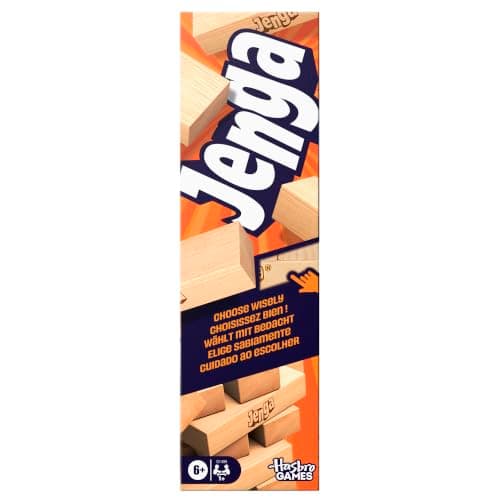
Two of these travel properly: a tin of cards and a deck. Boards, tiles, decoders and fifty-four wooden blocks do not. If the real purpose is a car journey, a flight or a restaurant, travel toys is the page for it, and it has the same honesty about which things survive being carried.
Under three, and the small-parts rule
Several games here have small cards, tiles, discs and plastic trains, and every one of them carries a grade at or above three for exactly that reason. The federal small-parts regulation behind the “not for children under 3” label is a physical test rather than an opinion about maturity, and it is the one line on this site we never cross. If there is a younger sibling in the house, read the choking-hazard guide before you buy a game with forty-two loose discs in it.
What we would skip
The licensed roll-and-move game — the film tie-in where the player rolls a die and moves that many squares. The child makes no decisions at all, so the game is entirely luck wearing a favorite character’s face, and it is put away within a month. At the same price, every game on this page involves the child in the outcome. Our reasoning on toys that look like the most for the money and are not is on the skip list, and the general question of which toys keep getting used is on what actually gets played with.