The short answer
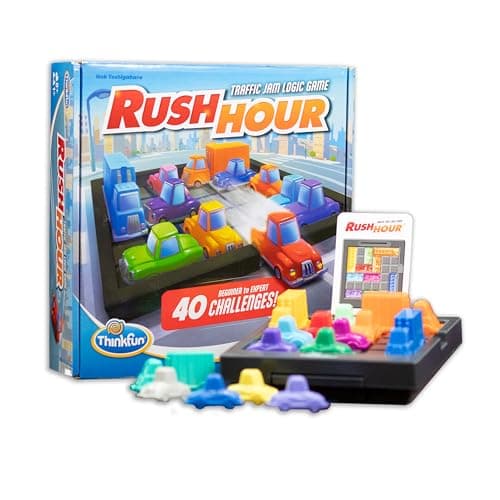
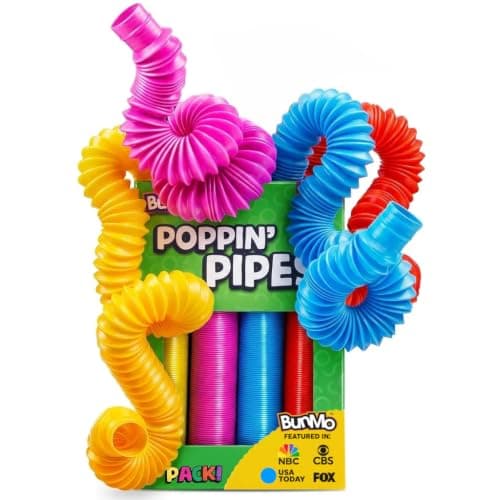
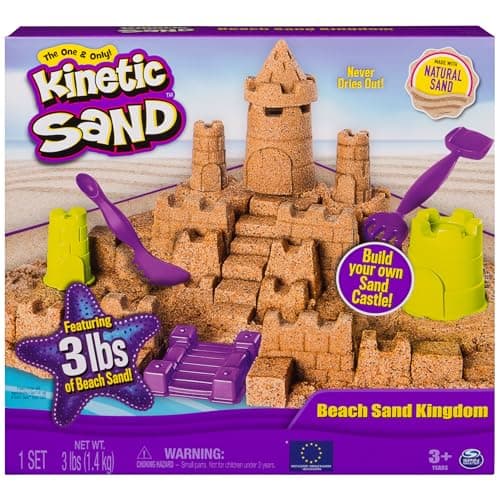
For most children, buy the kinetic sand -- graded 3+, silent, and the only thing here with no trick to get bored of -- and keep it on a hard floor or a tray. For a child who would rather have a problem than a texture, buy Rush Hour instead (graded 8+, forty challenges, fits in a bag). If you specifically want something from the fidget aisle itself, the pop tubes are the one worth the money, and they are loud.
We are not clinicians and nothing on this page is advice about a diagnosis. It is a buying page: what is on the shelf, what the maker publishes about it, and which of it is still in use a month later.
Why most fidget toys fail
A fidget toy is a novelty product, and novelty products are priced and designed for a fortnight. The economics are plain enough once you look at them: at four dollars, nothing in the box has to last, and a toy with exactly one action -- a spin, a click, a pop -- is a toy a child has fully explored in the first five minutes. Everything after that is habit, and habit is not the same as play.
The second failure is louder. A great many fidget products make a noise, and the places a child most needs something for their hands -- a car, a classroom, a waiting room, a shared bedroom at bedtime -- are the exact places a noise is not allowed. A fidget toy that gets confiscated is not a fidget toy. We keep a list of the worst offenders on loud toys, named.
The third is the bin problem. Fidget toys are bought in multipacks, which means fifteen objects arrive at once, nothing is special, and within a month the lot of it is at the bottom of a box with the lids of other things. One good object beats fifteen -- the general case is on one good toy instead of five.
The three questions that predict one that lasts
1. Is there more than one thing to do with it?
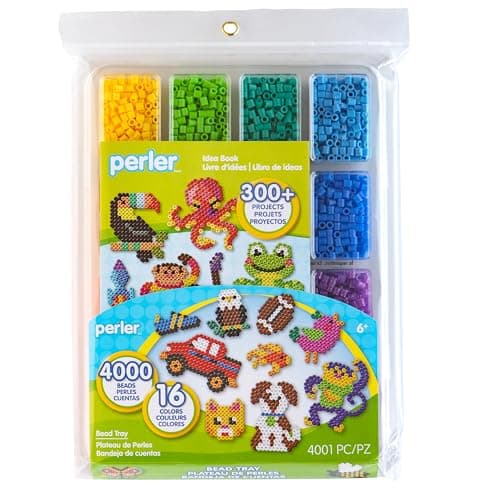
A spinner spins. Sand can be squeezed, cut, moulded, buried and squeezed again; a bead pegboard can make anything; a sliding-block puzzle has forty answers. If you can describe the entire toy in four words, it has a fortnight in it.
2. Does it make a sound?
Decide where the toy is going before you buy it. For a car, a plane or a classroom the answer has to be silent -- and silent is a real category, not a compromise: three of our six picks make no sound at all. For a living room it matters less. Nobody publishes a decibel figure on any of this, which is itself the finding on how loud is that toy, actually.
3. Is anything left at the end?
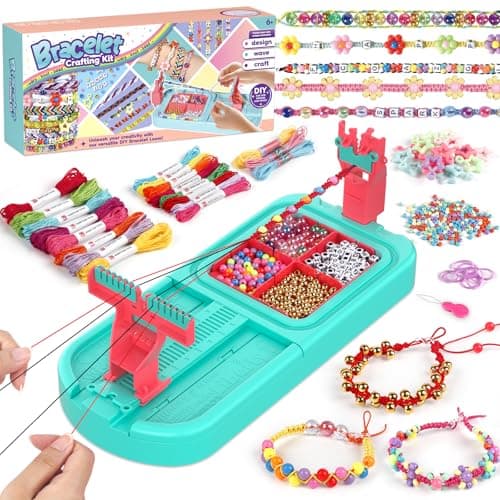
This is the one that sorts the aisle. A bracelet, a bead design, a solved puzzle -- an output gives the hands a reason to keep going and the child a reason to come back. The fidget products with nothing at the end are the ones found behind the sofa in March.
What we would buy for each situation
| Where it is going | What to buy | Published age grade | Noise |
|---|
| Kitchen table, hard floor | Kinetic sand | 3+ | Silent |
| Car, plane, waiting room | Bracelet loom, or the sliding-block puzzle | 8 to 12, and 8+ | Silent |
| Classroom or homework table | The sliding-block puzzle | 8+ | Silent |
| Living room, no carpet rules | Pop tubes | 3+ | Loud, no volume control |
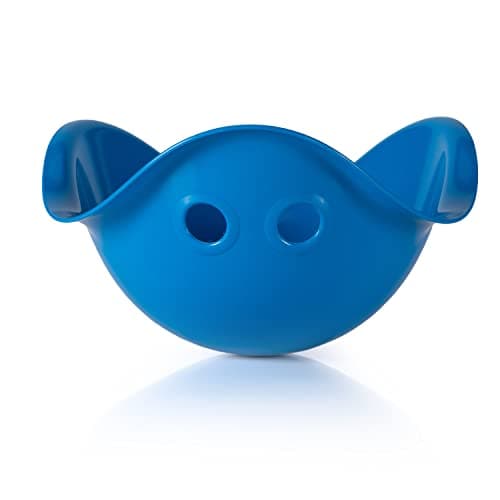
| A two to four-year-old who cannot sit | A shell to sit and spin in | 2 to 4 | Quiet |
| A child who wants to make something | Fuse-bead pegboard kit | 6+ | Silent (an adult irons) |
Age grades in that table are the manufacturers’ own published wording, and the noise column is our reading of what each listing describes -- not a measurement, because almost nobody in this category publishes one.
What to skip
Skip the fifty-piece fidget variety pack. Skip anything whose selling point is that it is trending. Skip magnetic ball sets entirely -- loose high-powered magnets are the subject of their own federal toy rule and are a swallowing hazard that behaves differently from any other small part. Skip anything with a button cell in it unless you have checked the compartment needs a screwdriver; the battery reality check covers why.
And skip buying any of this for a child under three. Every pick above is graded three or over except the shell, which is graded from two, and the reason is the same every time: the small-parts rule. The explanation is on what “not for children under 3” actually means.
If the fidgeting is the point, not the toy
Two honest observations that are not about products. First, a child who needs to move usually needs to move -- a scooter, a trampoline, twenty minutes outside, and the fidget question frequently goes quiet on its own. Outdoor toys by age is the list for that. Second, if what you are actually shopping for is a sensory need rather than restlessness, the box tells you more than the marketing does, and toys for autistic kids: what to check on the box is written around exactly that. For a present rather than a solution, gifts for a kid with ADHD is the gift version of this page.