The short verdict
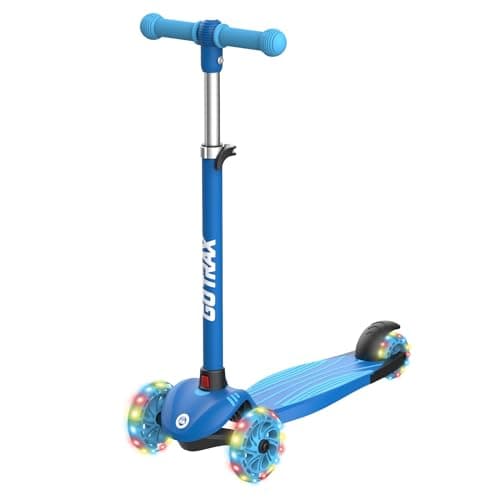
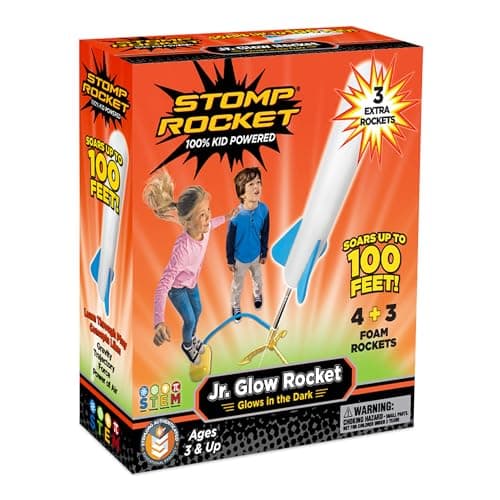
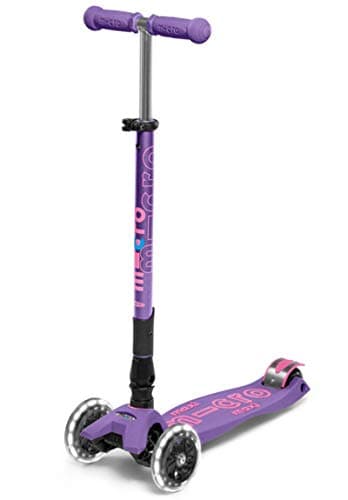
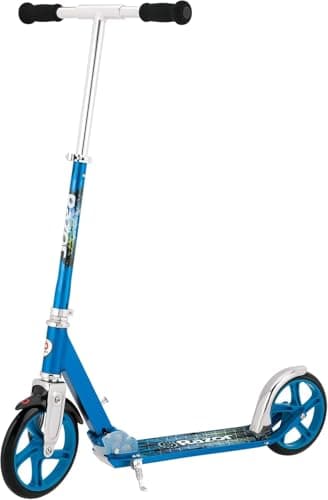
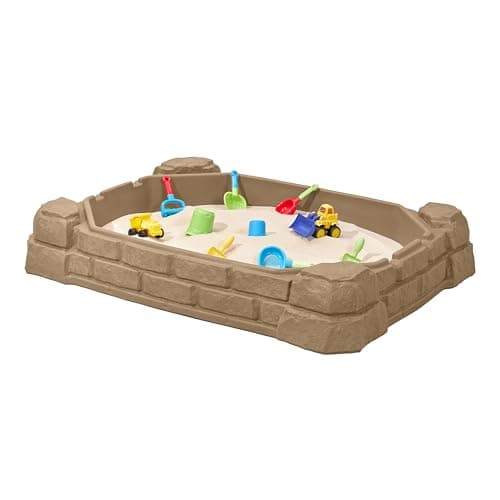
For a child of one to three, buy the Step2 sandbox with the lid: it is the only outdoor toy that works before a child can run, and the lid is what makes it last three summers. At two to five, the three-wheel adjustable scooter is the first thing a child uses outdoors entirely alone. For three to six, the stomp rocket is the cheapest item on this page and the one that gets used every single time it comes out. And from five onwards, the real decision is one scooter: the Micro Kickboard Maxi if it has to last until eleven, the Razor A5 Lux if the child is already eight and wants something that does not look like a toy.
Why age matters more outdoors than anywhere else on this site
Indoors, a toy bought a year early is a toy that is too hard. Outdoors, it is a toy that does not function. A scooter whose handlebar is above a child’s chest cannot be steered. A pogo stick has a published weight floor as well as a ceiling — the Flybar Maverick states 40 to 80 pounds — and under the floor it simply does not compress. Skates two sizes big are a fall, not a challenge. Three specs decide almost every outdoor purchase, and all three are printed on the listing:
- The published age bracket. Note that outdoor brackets have a TOP as well as a bottom — “ages 2 to 8” means the maker expects it to be outgrown at eight.
- The weight limit, both ends. This is the spec people skip, and it is the one that determines whether the toy works at all today and for how many years.
- Whether anything adjusts. An adjustable handlebar or an adjustable boot is the difference between a one-season toy and a four-season one, at roughly the same price.
The three outdoor buys that get outgrown in a single season
We have no interest in selling you a second one next year, so here is where the money goes wrong most reliably.
Fixed-height anything
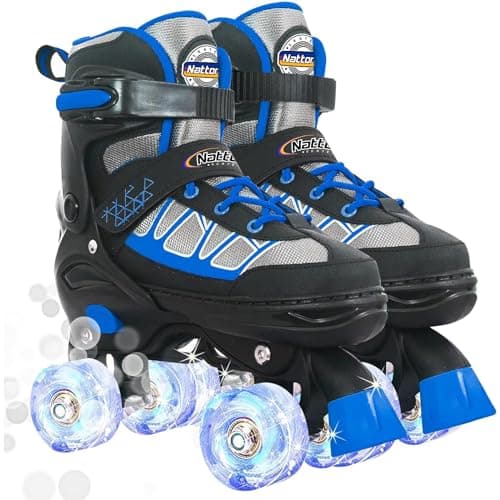
A fixed-handlebar scooter, a fixed-size pair of skates, a trike with a non-moving seat. Every one of these is a toy with a hard expiry date set by the child’s growth rather than by wear. The adjustable version is almost always within a few dollars.
Small wheels on a real street
Wheel diameter, not price, decides whether a scooter can be ridden anywhere other than a smooth driveway. Small wheels stop dead on a crack and the child learns that the scooter is boring. This is the single most useful spec in the category and almost nobody shops on it.
Water toys that need filling and emptying
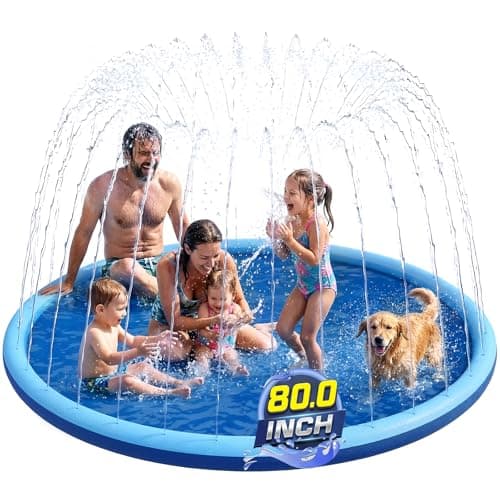
A water table is genuinely excellent for toddlers — we compare two of them properly — but it is a daily chore in a way a splash pad is not. If the household will not refill it, it becomes a green tray by July. Choose by the chore you will actually do, not by the picture.
What is not on this page, and why
No trampolines, no climbing frames and no swing sets. Those are structures rather than toys: they need installation, ground clearance and in many cases a different kind of safety judgment than reading a listing can support, and we are not going to recommend one from a product page. We also carry no snow or ice gear in the registry, so a search for winter outdoor toys will not find a shortlist here — saying so is more useful than padding the page with something we cannot check.
A few outdoor items sit outside the age ladder above because they are about where play happens rather than about a skill. Walkie-talkies, published for 6 to 12 and needing three AA cells per handset, are the clearest example: they are the one purchase that reliably makes two children leave the house and separate. A kite graded 4+ is another — it costs almost nothing and it only works on the right day.
Helmets, pads and the thing the listings do not say
Every wheeled pick above is sold without protective gear, and none of the listings make the omission obvious. Budget for a helmet with the scooter, the skates and the skateboard, in the same order — not as an afterthought, because the first ride happens the day the box is opened and that is the ride with the highest chance of a fall. We do not publish injury statistics or safety ratings for individual products, and we do not rank these picks on safety, because no manufacturer publishes data that would let anyone do that honestly.
For the age-filtered lists that include everything rather than only the outdoor picks, start at toys for a 4-year-old, toys for a 6-year-old or toys for a 9-year-old. If the child is outdoors regardless of the weather, the outdoor kid is the persona cut of the same registry.