The short verdict
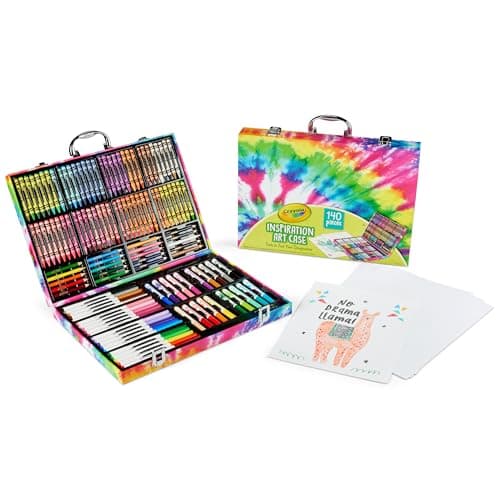
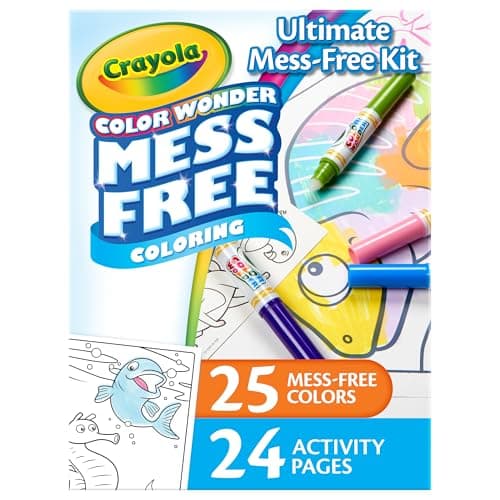
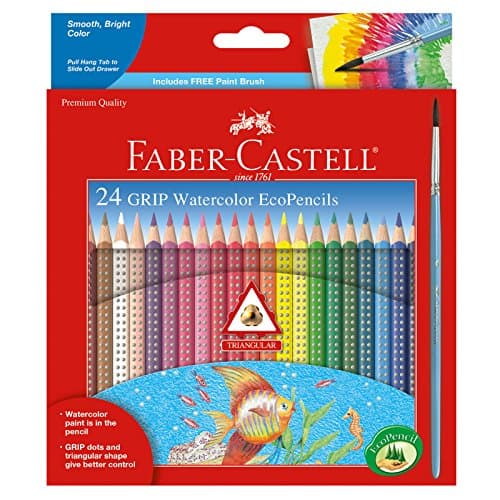
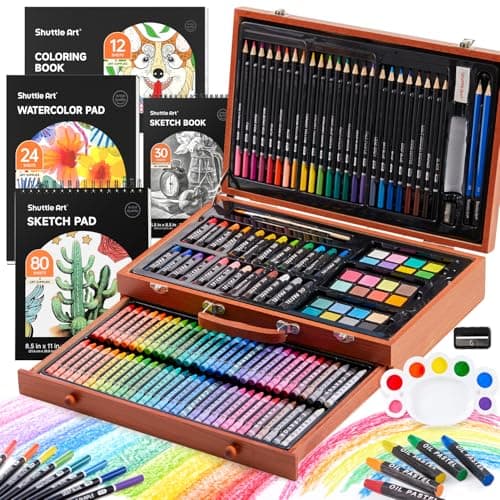
For a child aged six to twelve, buy the Shuttle Art 149-piece deluxe set: it is the only box here that covers five media at once, and the wooden case is why the contents are still together a year later. For a five-to-eight-year-old who draws rather than paints, the 140-piece Crayola Inspiration case is the better buy, because everything in it is dry and needs no supervision. For a three-year-old, buy Color Wonder — it is the only set on this page that cannot mark a wall. For a child who has started caring whether the drawing looks like the thing, skip the cases entirely and buy the twenty-four watercolor pencils.
Piece count is the least useful number on the box
Every set in this category leads with a number — 140, 149, 50-plus — and the number is mostly a count of crayons. A set with 140 pieces and a set with 64 pieces can contain the same amount of actual capability, because the difference is forty more crayon colors rather than another medium. What changes what a child can make is how many different media are in the box: dry color, wet color, something sculptural, something that erases.
The second thing the number hides is the case. An art set is a set only as long as it is in one place, and the single biggest difference between these five after six months is whether the box still closes. That is why the wooden case wins the top spot despite being the heaviest and the least portable option here.
The five sets on what actually differs
| Set | Published grade | Media in the box | Needs water / a table? |
|---|
| Shuttle Art 149-piece (wooden case) | 4–12 | Crayons, colored pencils, oil pastels, watercolor cakes, coloring book, sketch pad | Yes for the watercolor half, no for the rest |
| Crayola Inspiration Art Case (140ct) | 5+ | Dry only — crayons, pencils, markers, paper | No. Works on a sofa |
| Crayola Color Wonder (50+ pcs) | 3+ | Clear markers plus the kit’s own reactive paper | No, and it cannot mark anything else |
| Faber-Castell Grip watercolor pencils (24) | 5+ | One medium, done properly, brush included | Yes — water, a pot and a table |
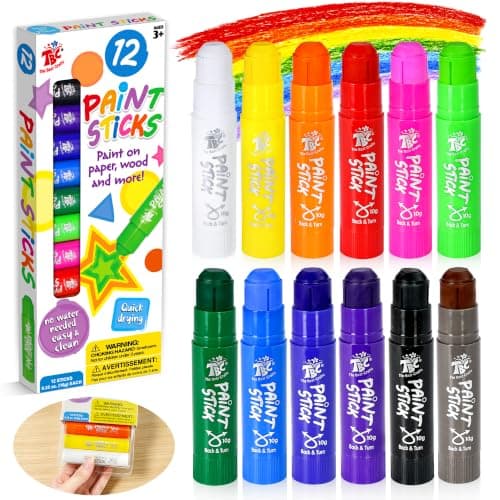
| Paint sticks (12 colors) | 2–8 | Solid tempera, twist-up | A table, but no water and no brush |
How to pick in one question
Ask who is going to be in the room. If the answer is “nobody, the child will be drawing while I cook”, buy a dry set — the Inspiration case at five and over, Color Wonder at three. If the answer is “we will do this together at the table on a Sunday”, the watercolor options are far better value, because a wet medium is the one a child cannot do alone and the one that produces a result they are proud of. Everything else — piece count, brand, the picture on the lid — is downstream of that single question.
The second question is where it lives. A set with no closing case ends up as loose pencils in three drawers, which is functionally the same as not owning it. Toy storage covers the general version of this problem, and it applies harder to art supplies than to anything else on this site.
What we would skip
The 200-plus-piece set at a suspiciously low price. Past about 150 pieces the additional items are near-duplicate crayon shades and the per-item quality drops visibly — the pencils break at the tip, the markers dry out, and the child concludes they are bad at drawing when they are actually using bad pencils. We would also skip any set whose marketing leads on a character. The license adds nothing to the materials and the child outgrows the character long before the pencils run out. Toys worth the money is the page for where a higher price buys something real and where it does not.
The safety label worth reading
Art materials are the one category on this site with a labeling standard most buyers have never heard of, and it is printed on all five of these boxes. We have written it up separately — non-toxic art supplies explains what the ASTM D-4236 line and the AP seal actually certify, what they do not, and why “non-toxic” on the front of a box is not the same claim as either of them. If you are buying for a child who still puts things in their mouth, read that page before this one.
If you want more than a box
The format comparison for the messier end of the category is on kinetic sand vs Play-Doh, and toys for the artist is the broader list — easels, bead kits, spirographs — for a child whose interest in making things has gone past a case of pencils. For mess specifically, the mess ratings rank every creative pick on this site by how far it travels across a floor.