The short verdict
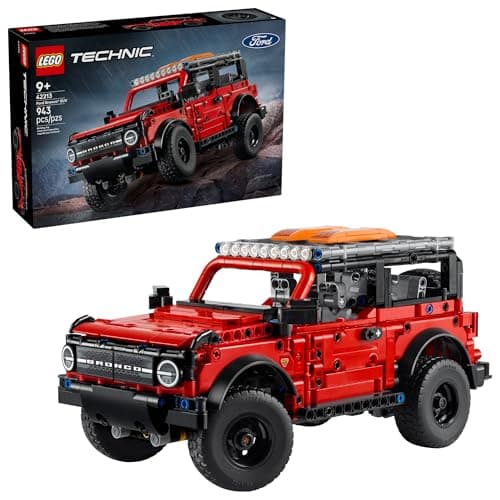
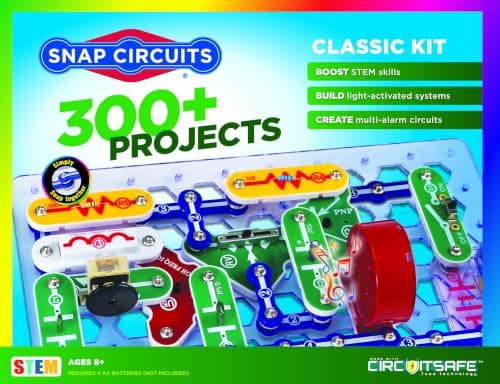
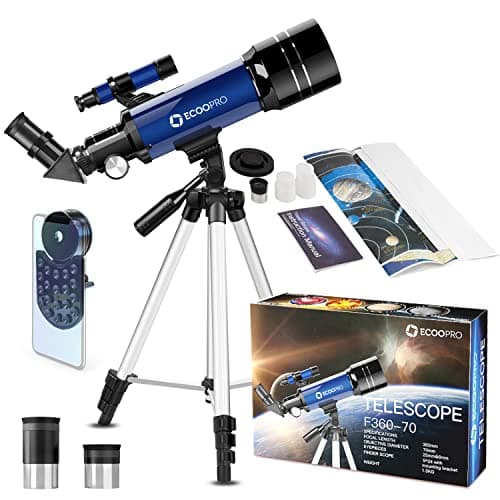
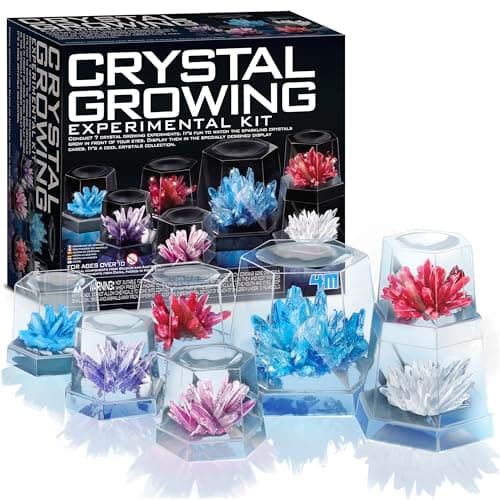
For a thirteen-year-old with a real interest in science, buy the Thames & Kosmos Chem C1000: graded 10+, 125 experiments and an 80-page manual, and it reads as equipment rather than as a present. For engineering, buy the LEGO Technic set, which is also the least socially risky thing on this page. For a teenager who might go into anything electrical or computational, Snap Circuits Classic SC-300 is the deepest kit here by a distance. If the budget is small and the interest is unproven, the crystal growing kit is the test to run first. Buy the telescope only if astronomy has already come up unprompted.
“Educational” is a marketing word. Here is the test we used instead
Nobody polices the word. A set of plastic dinosaurs is sold as educational, and so is a chemistry set with a published experiment list — and the gap between those two is the whole problem with shopping this category. So the eight picks above were ranked on one question only, which is the question a teenager answers for themselves in about a day:
When this is finished, does the teenager have a real skill or a real result they can point at?
A skill means something transferable: reading a mechanical drawing, following a lab procedure, debugging a circuit that does not work, finding an object in a night sky. A result means a physical thing that exists because they made it — a polished stone, a grown crystal, a working model. Everything that passes this test survives contact with a thirteen-year-old. Almost everything marketed as educational that fails it is a themed activity with a learning word on the box, and it goes in a cupboard by February.
Three corollaries fall out of that test, and they are the reason this page looks different from most lists of educational gifts for teens.
- Finite is fine, as long as the end is a thing. A crystal kit with seven growths is honest; it produces seven objects and then it is over. A kit with 200 vague “activities” and nothing to keep is the worse buy even though it sounds bigger.
- A manual is a feature, not a chore. The kits that hold a teenager are the ones that assume competence and give real instructions. The ones that fail talk down.
- It has to connect to something they already chose. This is the single biggest predictor on the whole page, and it is the reason the telescope is ranked where it is rather than higher. Equipment bought into an existing interest is used; equipment bought to create one is stored.
The age-grade problem, and why you should not let it decide
Nearly everything genuinely good in this category is graded 8+ or 10+, and the gift is being bought for someone who is thirteen, fifteen or seventeen. That feels like a mismatch and it mostly is not one, for a reason worth understanding.
A published age grade is a lower bound. It is the manufacturer’s statement about the youngest child for whom the product is appropriate and safe — driven by small parts, chemicals, reading level and required supervision. It says nothing at all about the oldest person who would enjoy it. There is no upper limit printed on a chemistry set because there is no upper limit; the 80-page manual is not easier because you are seventeen. We explain the mechanics of this in age grades explained.
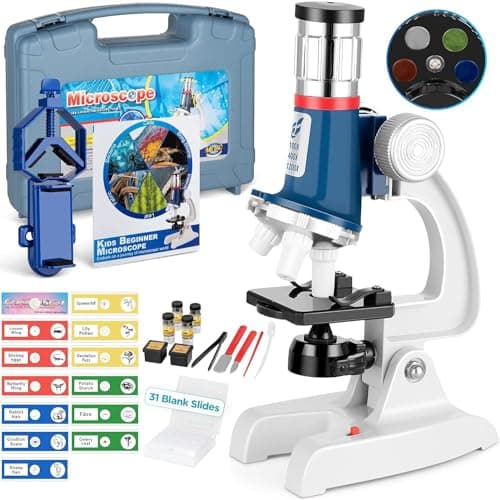
Two rules follow, and we hold to both across the site. We never recommend a toy below its published grade — on this site that is a hard rule, enforced in the build, and this page is written for thirteen and up so every pick above is comfortably inside it. And we do not treat a grade of 10+ as a reason to rule something out for a teenager. The thing you should worry about is not the number; it is the packaging. A kit graded 10+ in a sober box is fine at fifteen. The same kit with cartoon children on the front is not, and that is a design decision rather than a difficulty one. Where that is a factor on this page we have said so in the pick — it is the only honest caveat on the microscope.
The eight picks on what actually differs
| Pick | Published grade | What they end up with | Time to the first real result |
|---|
| Thames & Kosmos Chem C1000 | 10+ | Lab procedure, 125 experiments | An afternoon, then months |
| LEGO Technic | 10+ | A working model and mechanical literacy | Several evenings |
| Snap Circuits Classic SC-300 | 8+ | 300+ circuits and real debugging | Twenty minutes, then months |
| 70mm refractor telescope | 5–12 | Observations nothing else can give them | One clear night, plus a learning curve |
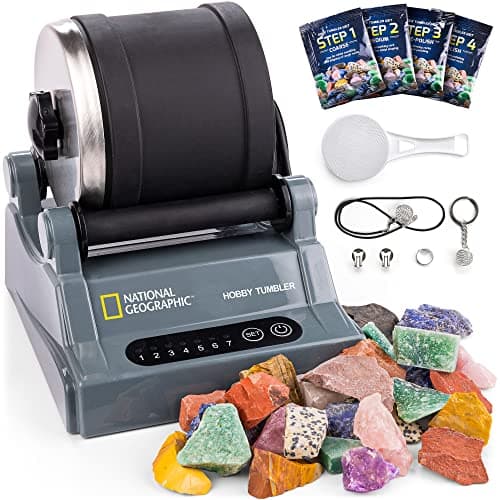
| National Geographic rock tumbler | 8+ | Polished stones, and patience | Weeks, deliberately |
| 4M crystal growing kit | 10+ | Seven crystals in display cases | About a week |
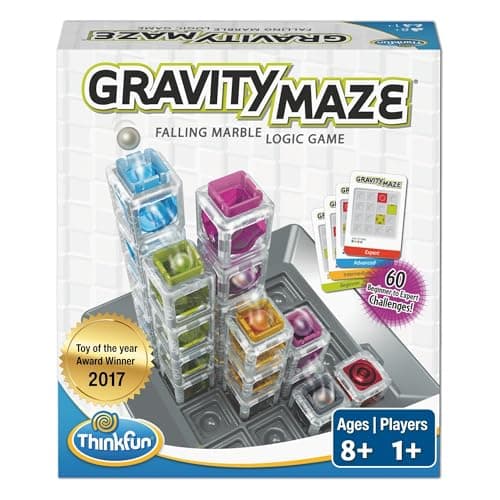
| ThinkFun Gravity Maze | 8–12 | Spatial logic, 60 graded challenges | Ten minutes |
| 58-piece microscope kit | 5–12 | Prepared and own slides, at 100X–1200X | The first evening |
What we would not buy a teenager and call it educational
The 100-in-1 experiment kit at a suspiciously low price. The experiment count is the tell. A hundred experiments at that money means a hundred paper activities with household materials, and a thirteen-year-old works that out before the end of the first one. Fewer experiments with real apparatus beats a long list every time.
Anything whose educational claim is the subject it is themed on. A dinosaur dig, a space-themed slime kit, a “junior forensics” box. The theme is not the learning, and a teenager can tell the difference between doing chemistry and doing a kit about chemistry.
A gift that is really a course. Subscription boxes and app-based “learning platforms” given as presents put the teenager in the position of owing someone effort every month. If a subscription is genuinely the right answer, say so out loud and let them choose it, rather than wrapping an obligation.
Where to go next
If the teenager in question is not interested in learning anything in particular and you simply need something that lands, gifts for teenagers 13 and up is the broader page and nothing on it is a toy. If the brief is specifically science rather than learning in general, science kits compared puts the boxes head to head. If the gift needs to avoid another screen, tech toys with no screen is the same instinct in a different direction. And if you are working out what to spend, how much to spend on a kid’s gift has the brackets.