The short answer
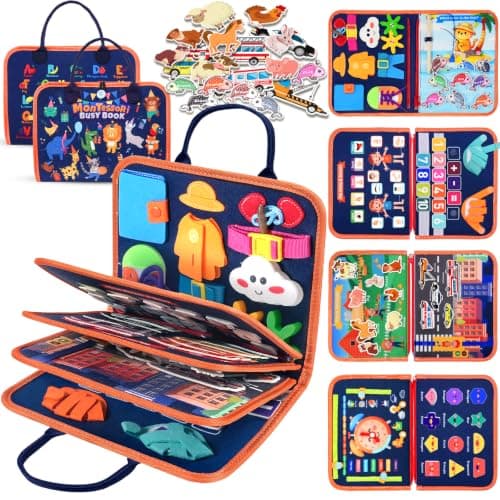
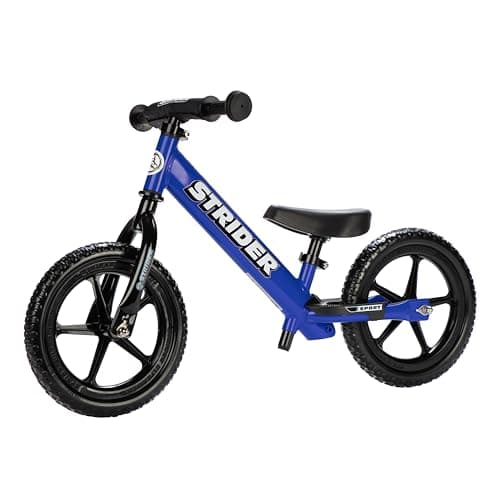
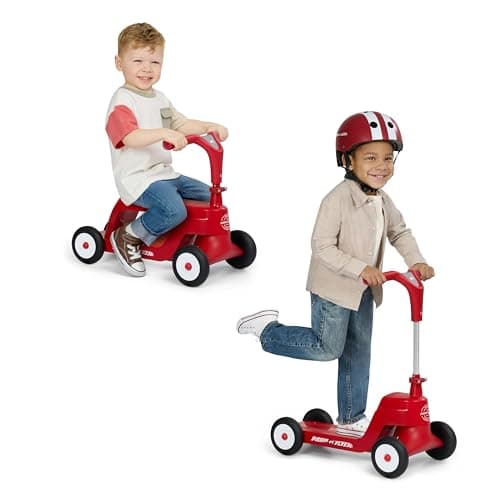
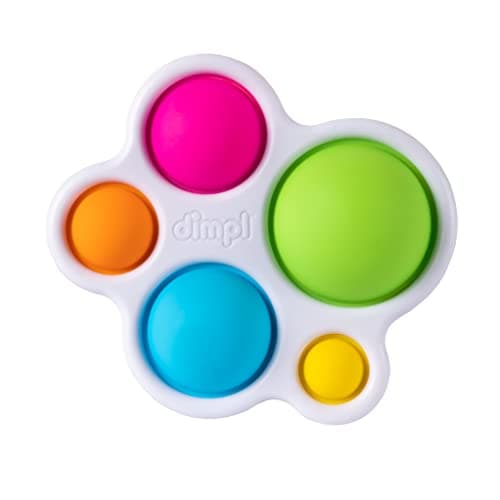
Buy the sit-to-stand ride-on, published 1 to 4. It is the category a second child almost never inherits, because the older sibling has not finished with theirs. If the budget is smaller, buy the folding busy board, graded 1 to 3, because a second child spends a large part of the day waiting somewhere for somebody else and that is the problem worth solving. If a grandparent is asking for the big one, the balance bike published 1 to 4 is the right answer with one caveat: you are buying next summer, not this birthday.
Every pick here is graded by its manufacturer at twelve months or below. That is the one rule this site does not bend — the build fails if a page written for a given age ranks a toy its maker graded above it. We have not played with these toys; our method is published in full.
Why the standard first birthday list is the wrong list here
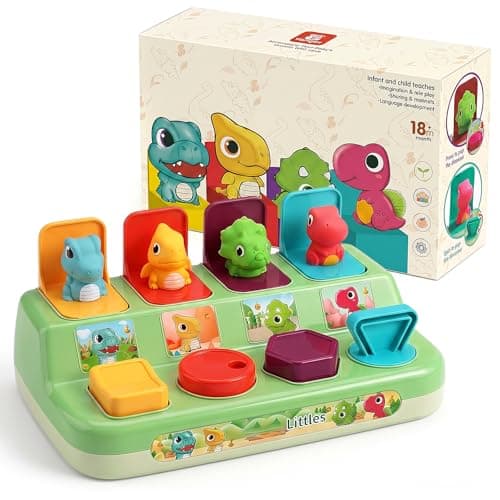
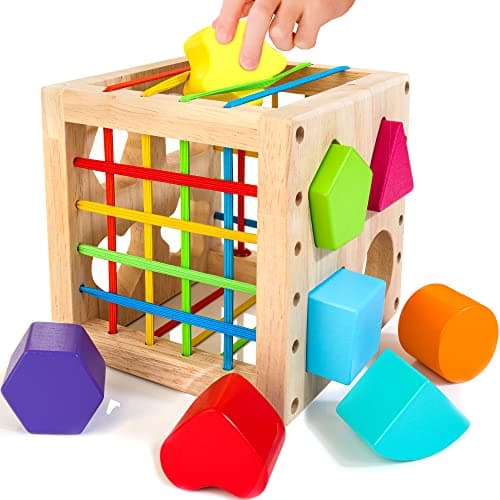
Our first birthday gift guide is written for a house with no toys in it. It ranks a stacker, a shape sorter, an activity cube, a set of nesting cups and a bag of big bricks, and for a first baby that list is correct. For a second or third child, every single one of those is already in the house, usually in a tub in the garage, and buying another is not generosity — it is a duplicate nobody has room for.
So the question changes shape. It stops being what does a one-year-old need, which is a question about development, and becomes what does this house not have, which is a question about inventory. Three things reliably fall into that gap.
1. Anything the older child is still using
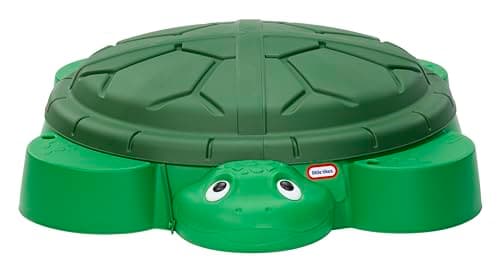
Hand-me-downs flow in one direction and they only flow when the older child is finished. A four-year-old is finished with a stacking toy and is emphatically not finished with a ride-on, a scooter, a bike or a sandbox. That is why two of the seven picks above are wheeled and one is a garden installation: those are the categories the inheritance never reaches.
2. Anything that is theirs alone
A second child owns almost nothing. The toys were somebody else’s first, the room was somebody else’s first, and the entire floor is a negotiation. A gift that cannot be absorbed into the communal tub — a bag toy, a bath toy, a bike with their name on it — is doing something a better toy might not.
3. Anything that occupies both children at once
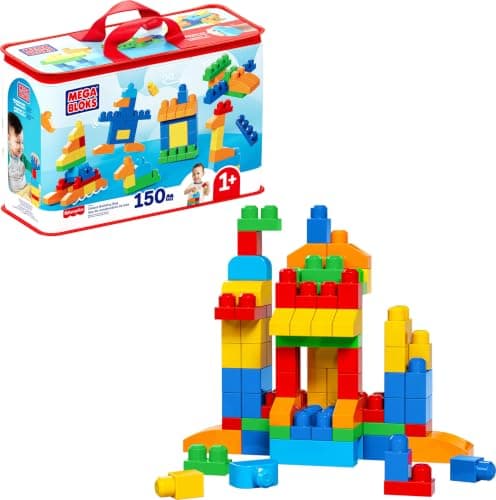
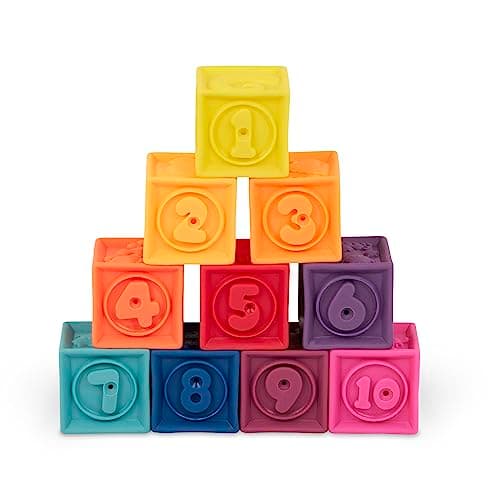
The scarce resource in a two-child household is not toys. It is an activity that works for a one-year-old and a five-year-old in the same place at the same time, because that is the only configuration where an adult gets ten minutes. The sandbox published 1 to 6 is the clearest example on this page; a bigger pile of large bricks is the cheapest.
What to stop buying for a second child
Stop buying stackers and nesting cups. They are excellent toys and the house has one. The maker of the stacking ring toy we rank elsewhere is blunt about this in our own notes: two stackers is one stacker too many, and nobody plays with the second.
Stop buying newborn-graded toys. Clip-on car seat toys, tummy-time mirrors and high-contrast cards are graded from nought months and the child is now twelve months old. These are the things people buy when they know the family has a baby and have not registered which baby.
Stop buying another large electronic activity center. They are enormous relative to how long any baby tolerates being in one, they do not fold away, and a household on its second child has already learned this. The one we rank requires 3 AAA batteries that are not included, which is the other half of the problem — see the battery reality check.
Stop buying things that need to be shared to work. A gift that immediately becomes communal property is a gift to the household, not to the child whose birthday it is. That is fine if everyone understands it; it is a disappointment if the card has one name on it.
The safety part, which is different in this house
A first baby lives on a floor that has been cleared for them. A second baby lives on a floor that belongs to a four-year-old, and that is a genuinely different risk picture. The hazard at this birthday is almost never the gift you are buying — it is the older sibling’s LEGO, marbles, craft beads and small figures, all of which are graded 3+ or higher precisely because of what a one-year-old does with them.
Two practical things follow. First, if you are choosing between two good gifts, the one that does not add small parts to that floor is the better gift. Second, the useful present for the household may not be a toy at all: a lidded box the older child’s small things live in, out of reach, solves a real problem. What the under-3 warning actually means, and why supervision is not a substitute for it, is on what “not for children under 3” actually means.
Noise, mess and storage in a house that is already full
Nothing on this page has a sound chip in it. That is deliberate rather than a coincidence: a second-child household already owns every singing, flashing toy it will ever need, and the thing in short supply is quiet. The loudest pick here is the ride-on, and only because plastic wheels on laminate are not silent. The rest run on nothing at all, which also means nothing to replace on the morning it is unwrapped.
On mess, the sandbox is the one to think about twice — sand travels in shoes, socks, hair and pockets, and it reaches the kitchen. Every sandbox owner knows this and buys one anyway. On storage, the honest point is that a second-child house has less floor than it did, not more: the busy board folds into a bag, the blocks and the bricks go into containers that already exist, and the bike and the sandbox do not go anywhere at all. If the volume of toys is already the problem, toy rotation and how many toys a child actually needs are the two pages to read before you buy anything.
If you are the parent rather than the guest
Two things worth saying out loud, because nobody does. A second child’s first birthday is usually smaller than the first child’s, and that is normal rather than neglectful — the one-year-old has no idea and the photographs look the same. And if relatives keep asking what to buy, the genuinely useful answer is to send them to a single category rather than a single product: wheels, or outdoor, or something for the bag. Everything else in this house exists.
For the general version of this birthday, see birthday gifts for a 1-year-old and everything for a 1-year-old. If the two children are close enough in age that sharing is the whole issue, gifts for siblings who have to share is written around that, and gifts for twins is the harder version of the same problem.