The short answer
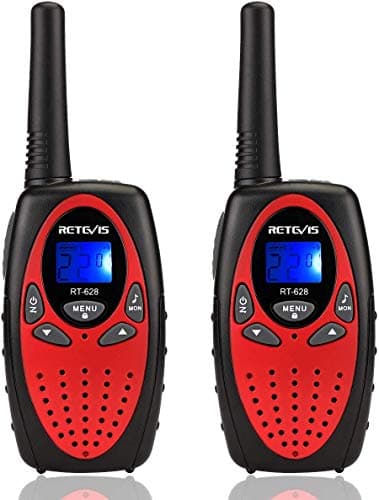
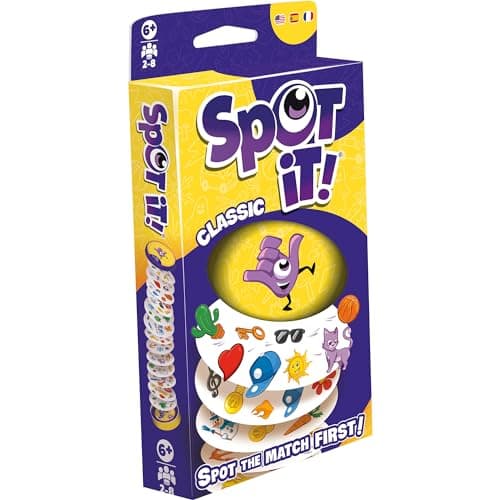
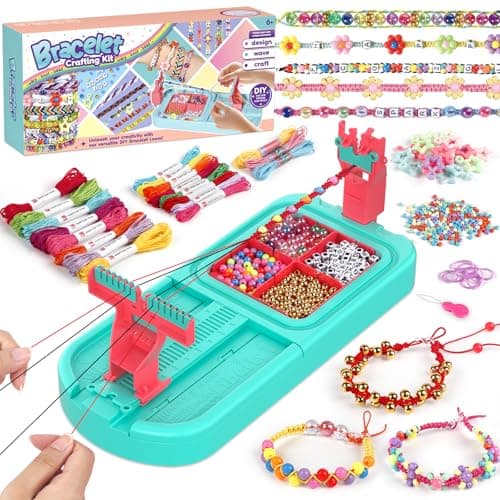
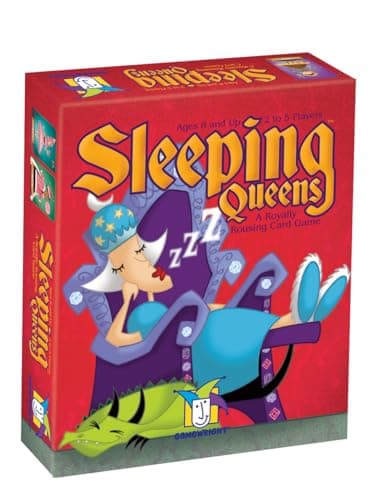
If the two children are 8 or older, buy the friendship bracelet kit with the loom — it is the one gift here whose entire output is something given away, and the loom is what makes a first attempt presentable. If they are 6 to 12 and live close enough to see each other, buy the walkie-talkies, and buy AA batteries at the same time. If you are buying for a school friend you do not know well, buy Spot It or UNO: pocket-sized, no setup, no way to duplicate something they already have in a way that matters.
Everything on this page is a toy or a game sold by its manufacturer right now, with the age grade printed as the maker publishes it. We have not played with any of these — our method is published in full, and it is a reading of what makers publish plus the constraints of the room the toy goes into.
Why a friendship gift is a different purchase
Nearly every toy list answers one question: will this child like it. A gift between friends has to answer three more, and they are the ones that decide whether it is still in use at half-term.
Does it need a second person — and does it need exactly one?
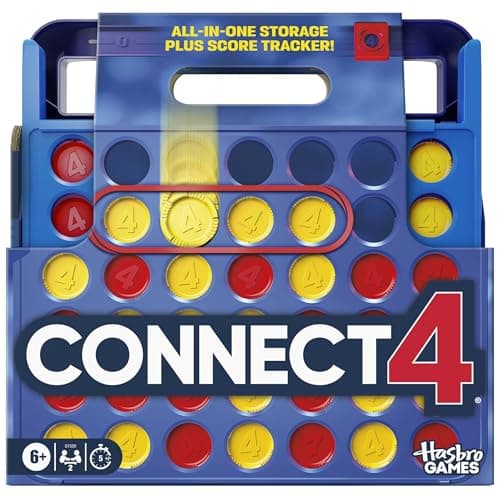
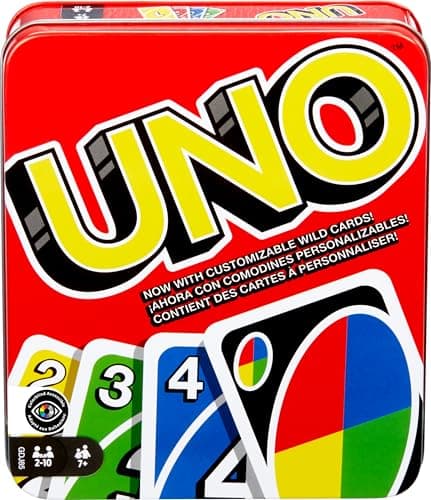
This is the whole category in one line. A gift that works alone is a fine present but it is not a friendship gift; the child plays with it on their own and the friendship is incidental. At the other end, a game for four is worse than useless for two kids on a wet Saturday. The sweet spot is two-player or two-handset: Connect 4 is strictly two players, which we would normally flag as a limitation and here treat as the specification. Spot It and UNO both stretch from two up to eight or ten, which is the other acceptable shape — they work for the pair and still work when a sibling joins.
Does it survive being carried between two houses?
Friendship toys travel. They go to sleepovers, into school bags, to a grandparent’s house and into the footwell of a car, which eliminates a surprising amount of the toy aisle. A tin of cards survives that trip indefinitely. A craft kit with a thousand loose beads does not survive it once. If the two children live in different houses, weight toward the things in this guide with a lid: the card games, the camera and the walkie-talkies.
Is there anything to give away at the end?
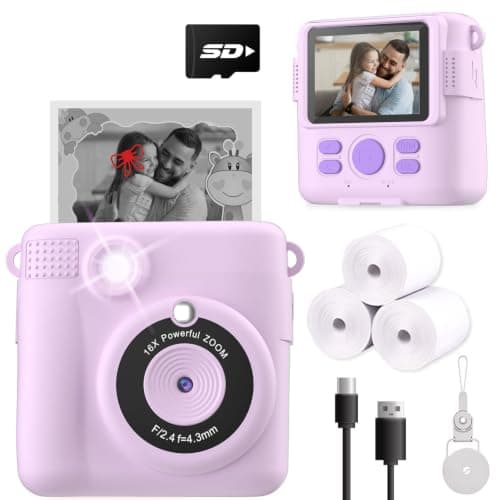
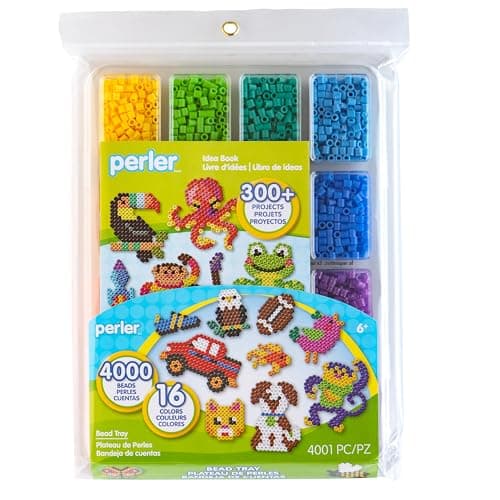
The quiet thing about friendship at eight or nine is that children want to make things for each other, not just play alongside each other. That is why two craft kits rank here despite being the messiest items on the page. A bracelet, a bead design, a thermal print of the two of them — an object that changes hands is doing something no game can. If the child you are buying for is the maker rather than the player, start with the bracelet loom and the fuse beads.
What to buy at each age
| Age of the two friends | What we would buy | Published age grade | Needs a second person? |
|---|
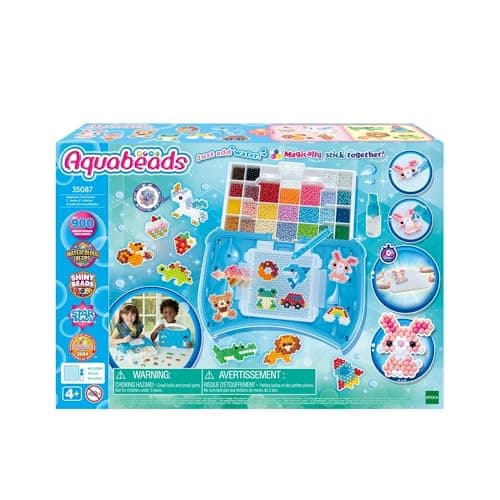
| 4 to 5 | Water-set bead craft studio | 4+ (maker excludes under 3) | No — but the output is a present |
| 6 to 7 | Spot It, or Connect 4 | 6+ | Yes, two players |
| 6 to 12, living close by | Walkie-talkies | 6 to 12 | Yes — useless alone |
| 7 to 12 | UNO | 7+, two to ten players | Yes, two or more |
| 8 to 12 | Friendship bracelet kit with loom | 8 to 12 | No — everything made is given away |
| Any age in the 3 to 12 band | Instant print camera | 3 to 12 | Better with one |
Those grades are the manufacturers’ own published wording, not our guess at a suitable age. Where a maker prints a range rather than a floor, we print the range.
The under-3 problem, stated plainly
This guide spans a wide age band on purpose, because “best friend” is a relationship rather than an age. That makes one warning load-bearing. Several picks here are built from small parts in quantity — thousands of fuse beads, water-set beads, loose thread and bracelet findings — and every one of those is graded 3 and over for exactly that reason. If a crawling baby or a toddler shares the floor, do not buy the bead kits, whatever the older child wants. What the under-3 warning on a box actually means, and the federal rule behind it, is on what “not for children under 3” actually means.
Two failure modes we would rather you avoided
The matching-pair trap. Two identical somethings, one for each friend, sounds charming and usually is not: the children compare, one breaks first, and nothing either of them owns needs the other person. Walkie-talkies are the exception because the two halves are not the same object socially — they are one toy split in two, and neither half works alone. If you want the matched-set feeling, buy one thing that needs two people rather than two things that need none.
The expensive-gesture trap. A friendship gift is often going into a household you do not know, with storage and noise rules you cannot see. A big-ticket item that needs a floor, a charger and a parent’s permission is a burden dressed as a present. Our case for spending less and choosing better is on one good toy instead of five, and if there is a budget ceiling, gifts under $25 is the tier most school friendships actually operate in.
If you are the adult buying for somebody else’s child
Then you have a slightly different problem and we have a page for it: best gifts for a friend’s kid is written for buying into a house you do not live in, with the noise and mess verdicts up front. If the two children are siblings rather than friends, gifts for siblings who have to share is the version where both children have to be able to use it without a referee. And if the gift is going to a class party where you know nothing about the child at all, the price tier is doing most of the work — start at under $25.
Noise, mess and batteries, before you commit
Three of the eight picks need something from the household beyond the box. The walkie-talkies take three AA batteries per handset, not included, which is the single most common reason a gift like this is unusable on the day it is opened — we keep a running tally of which toys do this on the battery reality check. The fuse beads need an adult with an iron for every finished project. The camera needs paper rolls eventually, though no ink. The other five need nothing: the bracelet loom, both card games, Connect 4 and the water-set beads work straight out of the wrapping.
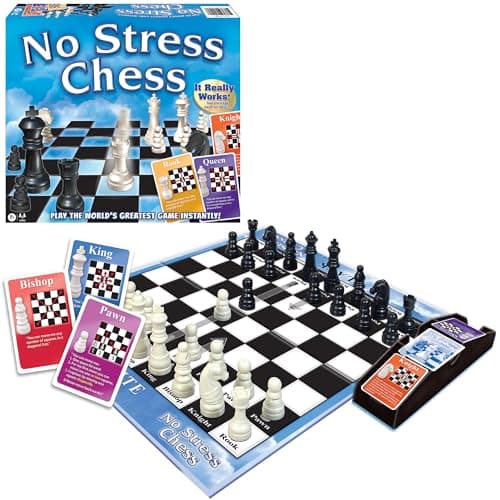
On noise, the quietest things here are the craft kits and the chess-teaching set in the also-consider list — all silent. The walkie-talkies are the loud one, with a call tone children press repeatedly and no published sound level, which is true of almost everything in this category and is the finding on how loud is that toy, actually. If the gift is going into an apartment or a shared bedroom, quiet toys that are not boring is the filtered list.