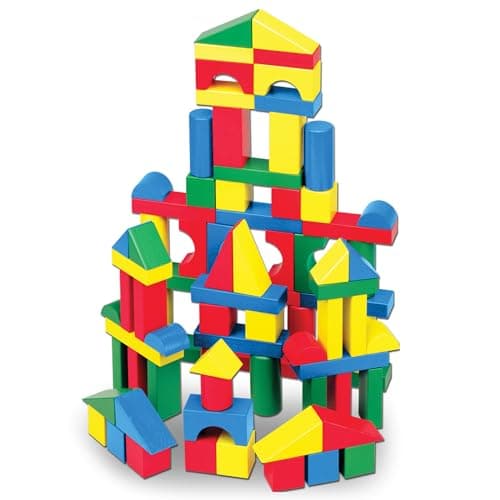
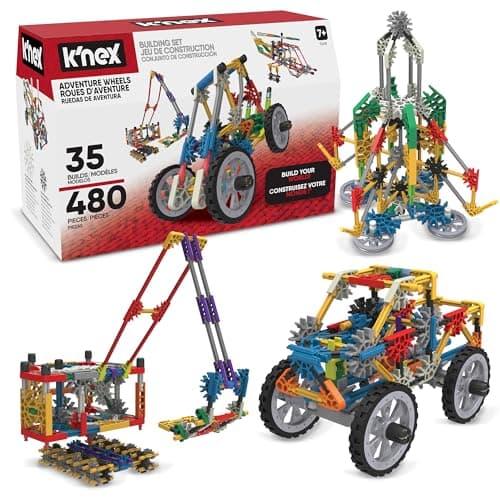
The verdict: the top pick is the K’NEX Adventure Wheels 480-piece set, and it is for a seven-year-old who already builds and has started finding brick sets easy — rods and connectors instead of studs, so the structures are frames with working wheels and joints rather than solids. The budget pick is Melissa & Doug’s 100-piece wooden block set, the cheapest construction set in our registry: graded 2+, silent, indestructible, and it delivers the open-ended half of the appeal for a small fraction of the money.
Every grade printed here is the manufacturer’s own, and the prices come live from Amazon with the date they were checked shown under the table above. We have not built with these; the method is published in full.
What LEGO is actually known for
An alternatives page has to be honest about what it is replacing, and LEGO’s reputation rests on things that are specific and checkable rather than on branding:
- Dimensional consistency across decades. A brick made this year connects to one made in the 1980s with the same friction. That is why a collection compounds instead of fragmenting, and it is the actual justification for the price per piece.
- Part vocabulary. Hinges, clips, slopes, plates, wheels, windows. The range of parts is what makes a specific object buildable, and it is the thing almost no alternative matches.
- Instruction design. LEGO’s booklets are genuinely well made: wordless, incremental, with the new parts for each step shown separately. A six-year-old can follow them unaided, and very few competitors manage that.
- Resale and secondhand value. Because the bricks do not wear out and the standard does not change, a secondhand lot is worth buying. That is unusual.
None of that is in dispute and we are not going to pretend otherwise — LEGO is ranked highly elsewhere on this site, and our LEGO roundup recommends seven of its sets. The reason this page exists is that those strengths are separable, and several of them are not what a given buyer needs.
Which of the three questions are you actually asking?
“I want something cheaper”
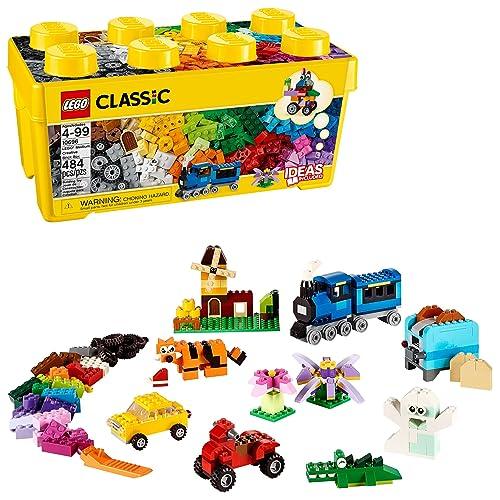
Then the honest first move is not a different brand, it is a different LEGO product. Themed sets carry the licence, the minifigures and the instruction design in their price; a plain brick box does not, and costs a fraction per piece. If that is still too much, plain wooden blocks are the cheapest open-ended construction set we stock, and secondhand LEGO is the best-value purchase in the entire toy category — buying toys secondhand covers the checks, which are brief.
“My child is too young for LEGO”
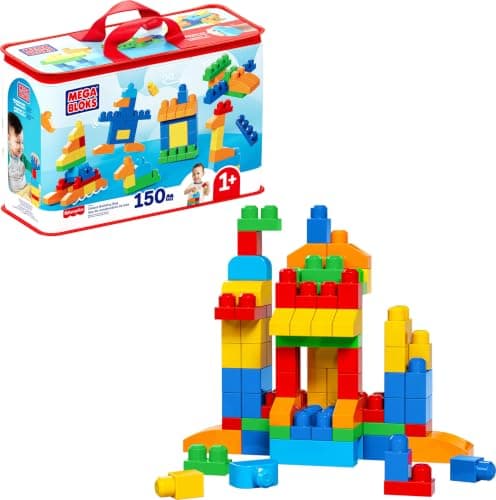
Standard LEGO is graded 4+, DUPLO 2+, and MEGA BLOKS First Builders 1+. Those grades are small-parts judgments made against the federal regulation rather than guesses about ability, and we never recommend below them. Below four, the real options are DUPLO and MEGA BLOKS, and the head-to-head is here.
“I want something that is not studs”
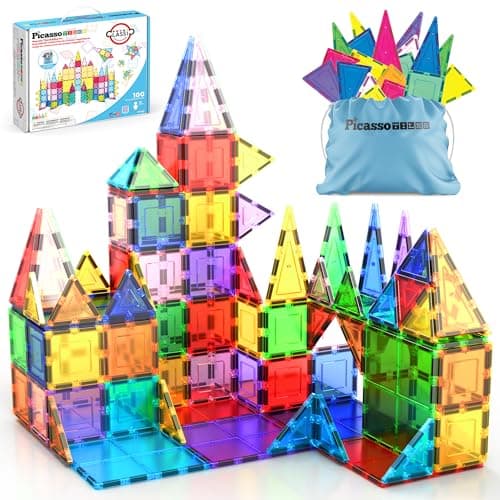
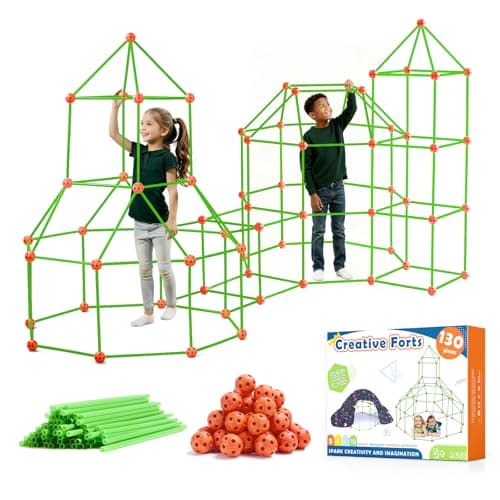
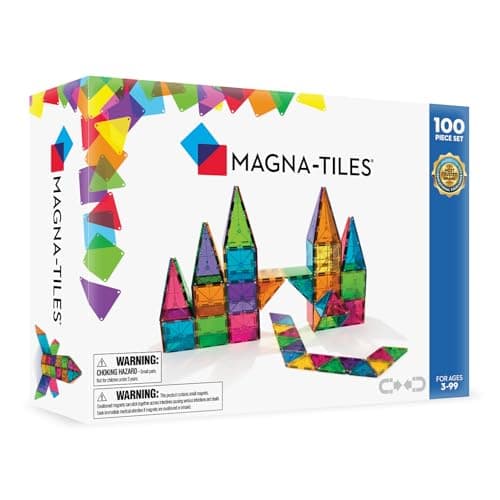
This is the most interesting case and the one the shelf serves worst. A child can be genuinely interested in building and genuinely put off by brick assembly — because it is slow, because it demands precision their hands do not have yet, or because following a booklet is not what they wanted to do. Magnets fix the speed problem, rods and connectors fix the repetition problem, and a fort kit fixes the scale problem. One of those three is usually the right answer, and none of them is a compromise version of LEGO.
What no alternative on this page matches
Three things, stated so the page is a comparison rather than a sales pitch.
Part vocabulary. If the child wants to build a specific thing — a particular car, a particular building — LEGO’s range of specialised parts is why that is possible and why it mostly is not with anything else here.
Cross-generational compatibility. Nothing else guarantees that a part bought in ten years will fit the parts bought today.
Instructions a child can follow alone. This is underrated and it is the usual reason an alternative set ends up being built by an adult. If independent building is the point of the purchase, it is a real argument for the original.
How to tell which system a particular child wants
Watch what they do with what they already have, which is more reliable than asking them.
- Builds the model on the box and then leaves it intact: they want themed sets, and an alternative will disappoint.
- Builds it, breaks it, and builds something else: they want a brick box or K’NEX.
- Abandons it halfway because the pieces will not line up: they want magnets.
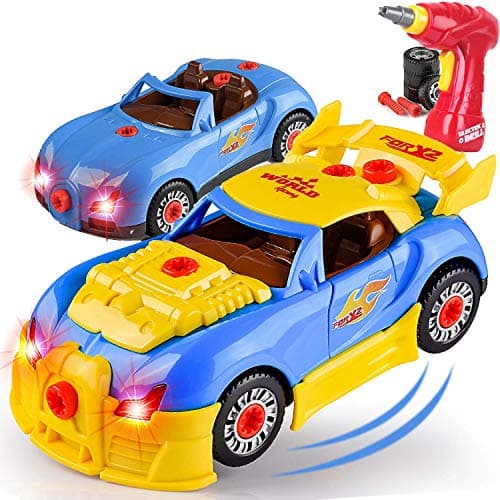
- Takes things apart rather than making them: they want a take-apart set, and that is a real preference rather than a destructive phase.
- Builds dens out of cushions: they want scale, and a fort kit will land better than any brick.
The wider version of this — matching the toy to the child rather than to the category — is on how to choose a toy, and toys for the builder runs the whole progression from one to twelve.
What we would not buy
Unbranded brick sets sold on compatibility claims. The clutch is the whole product, and a brick that is a fraction of a millimetre out either will not hold or will not come apart. Neither failure is obvious in a photograph.
Any construction set with no published age grade. It disqualifies a pick outright on this site, because on a small-parts product the grade is the safety statement. More of the general pattern is on the skip list.