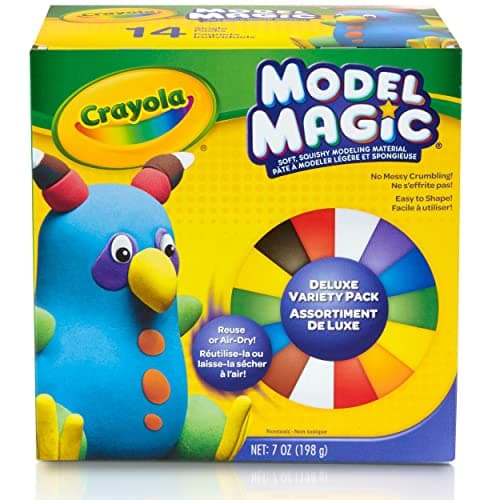
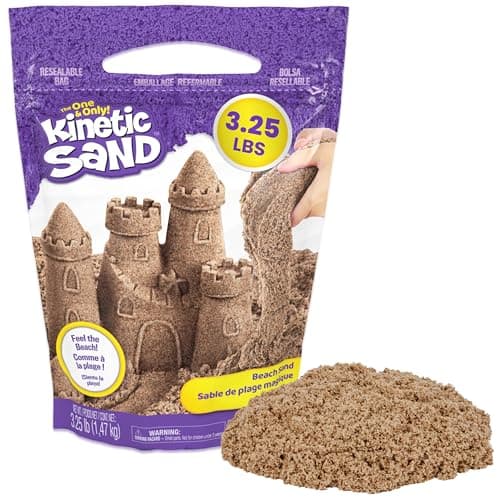
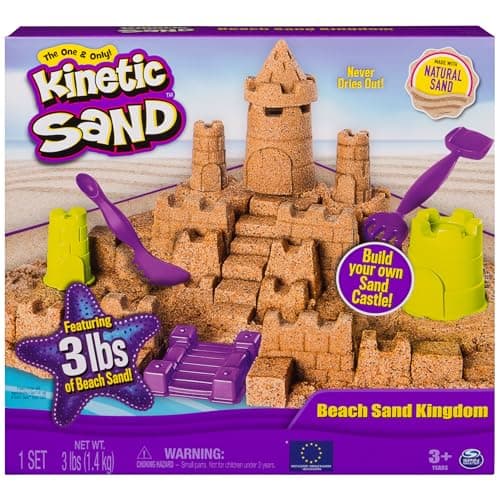
The verdict: the best Play-Doh alternative is Kinetic Sand, graded 3 and up with molds included — the closest thing to a straight swap, and the one that neither dries out nor blends into a single gray-brown color. The budget pick is Crayola Model Magic, graded 4 and up: cheaper than the sand, and the right answer if the complaint is that nothing the child makes survives the week.
Every age grade below is the manufacturer’s own published wording, and every price comes live from the price layer with the date it was checked printed beside it. We have not played with any of these — our method is published in full.
What Play-Doh is, and why people search for an alternative anyway
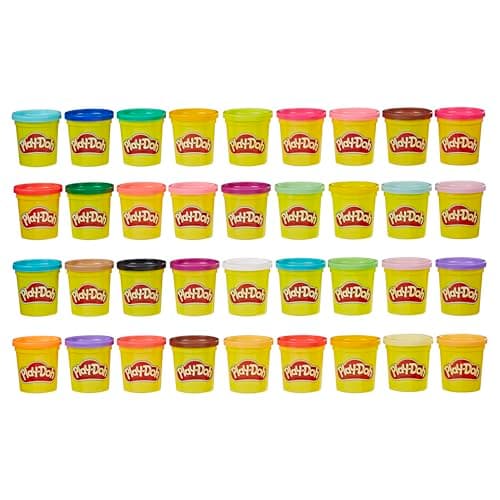
Play-Doh is a non-toxic modeling compound, and its maker publishes the 36-can case of colors for ages 2 and up. That 2+ grade is the thing worth understanding before you replace it, because it is genuinely rare: most creative materials start at 3, several of the picks on this page start at 4, and fuse beads start at 6. For a two-year-old, dough is one of the very few open-ended creative things that can honestly be handed over at all. It is also cheap per hour, reusable by design, and the smell is doing a lot of nostalgic work on the adult holding the can.
None of which stops the search being reasonable. What people are actually typing is one of five different questions wearing the same words, and they have five different answers:
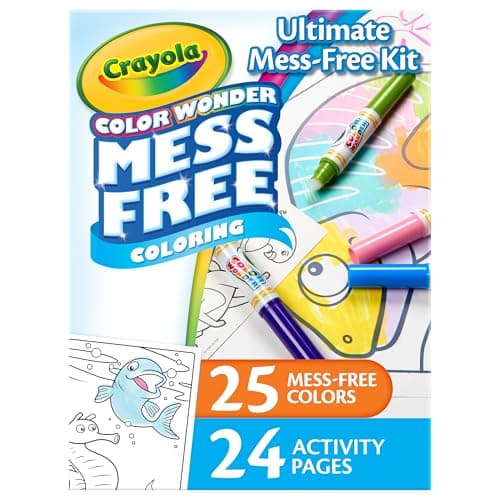
- “Less messy play doh alternative.” Trodden-in modeling compound is why Play-Doh carries our worst mess rating. Dry it first and it vacuums up; work it wet into a rug and it stays. If this is the question, the answer is not another dough — it is the mess-free coloring kit, or sand on a tray.
- “It all dried out.” Half of any set ends up solid because cans get left open, and that is not recoverable. Sand does not have this failure mode at all, which is why it is the top pick.
- “They want to keep what they made.” Dough is a process material; the model goes back in the pot. If the child is making things they are proud of, you want air-dry clay, and you want to know up front that dried models break.
- “Play doh off brand” / “cheap alternative.” Worth saying plainly: on cost per pound, the original in a bulk case is extremely hard to beat. If price is the only concern, the honest answer is more Play-Doh, not a different product.
- “Something similar to playdough” for an older child. At about seven or eight, dough starts reading as babyish regardless of what it can do. That is not a materials problem and no dough fixes it — it is a cue to move to beads, clay or a craft kit.
The one thing to check before you switch: the age grade
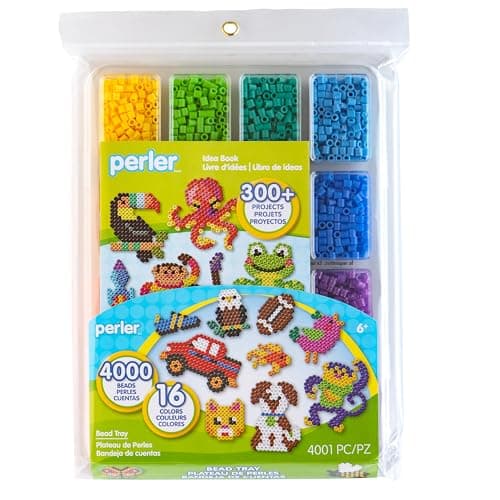
This is the part of the question most lists skip, and it is the part that matters. The youngest ranked pick on this page is graded 3. The clay and the beads are graded 4, and the fuse beads are graded 6. Play-Doh’s own published grade is 2+.
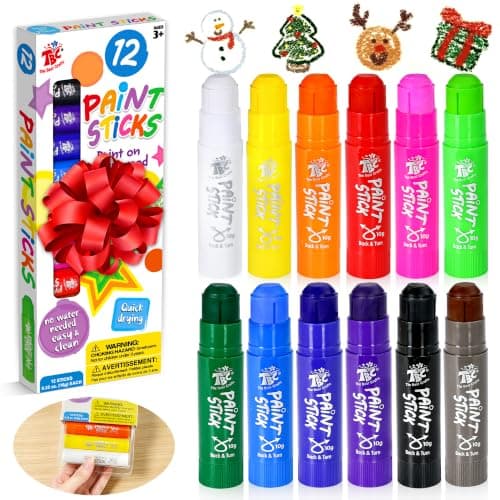
So if the child is two, most of this page does not apply to them yet, and the honest answer is either the original again or a different category entirely — the paint sticks in the also-worth-considering list are graded from two, and the full 2-year-old shelf has the rest. Those grades are not conservative branding. On small beads and small molds they are a small-parts judgment under the federal rule, which the choking-hazard guide explains in full. We never recommend a toy below the age its maker graded it for, and no amount of supervision converts a 4+ bead set into a 2+ one.
Mess, honestly, worst to best
Since mess is the single most common reason for this search, here is the ranking in plain terms. These are our readings of what each manufacturer’s own listing describes, not measurements — we own no laboratory and the mess ratings page says so in those words.
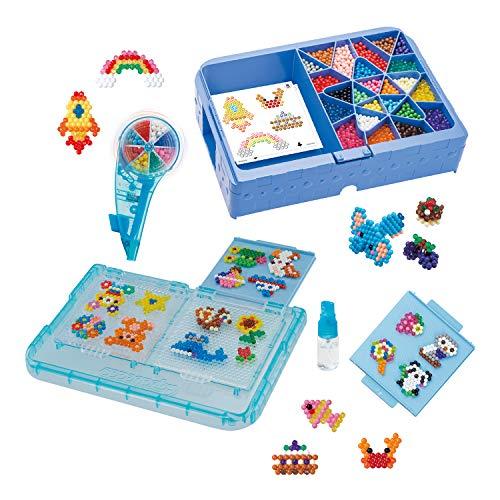
- Fuse beads — the worst. Thousands of loose beads, and a knocked tray ends up in the floorboards. Worse than dough, not better.
- Play-Doh. Fine on a hard surface, a one-time decision on a light rug.
- Water beads. Small and designed to be spilled onto a tray, but they sweep rather than smear.
- Kinetic sand. Grains travel on clothing and turn up in a sock a week later, but it sticks to itself, so it sweeps up far better than real sand. A tray is not optional.
- Air-dry clay. Non-greasy and it does not crumb the way dough does. It does stick to fabric while wet and it dries where it lands.
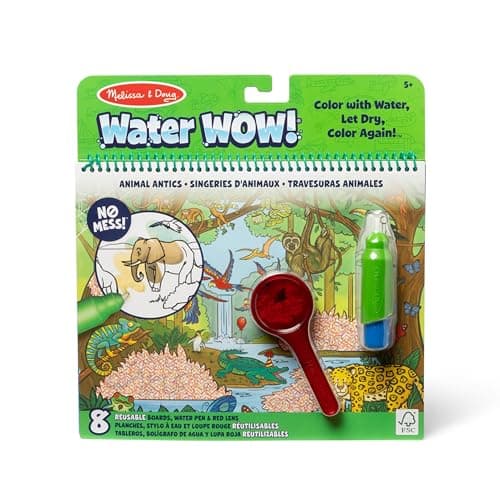
- Mess-free coloring — the best, by a distance. The ink is colorless on everything except its own paper. This is the only genuinely zero-mess option we rank.
What we would not buy as a substitute
A homemade flour-and-salt dough as a gift. It is a good rainy-afternoon activity and a bad present: it has no published age grade, no shelf life, and it grows mold in a sealed tub within a fortnight. If you make it, make it to use that week.
Slime, if the reason you are here is mess. Slime is a worse version of exactly the problem you are trying to solve — it is harder to get out of fabric and hair than dough, and it has a shorter usable life.
An unbranded dough with no age grade printed anywhere. Modeling compound is a material a child puts in their mouth at least once, and the grade is the only published signal you have about what is in it. A listing that will not state one is telling you something.
And the single-can impulse buy. Whatever you switch to, the quantity is the difference between a material and a demonstration — one small tub of anything on this page is twenty minutes. The other half of this decision, if the real question was sand against dough rather than what to replace dough with, is on kinetic sand against Play-Doh, and the wider art shelf is on toys for the artist. If this is a present rather than a replacement, the year’s shortlist across every category is on the best toys of 2026.